After more than 20 years in the pump industry, I have learned that reliability is not just about the pump itself. It is about the people, processes, and support behind it.
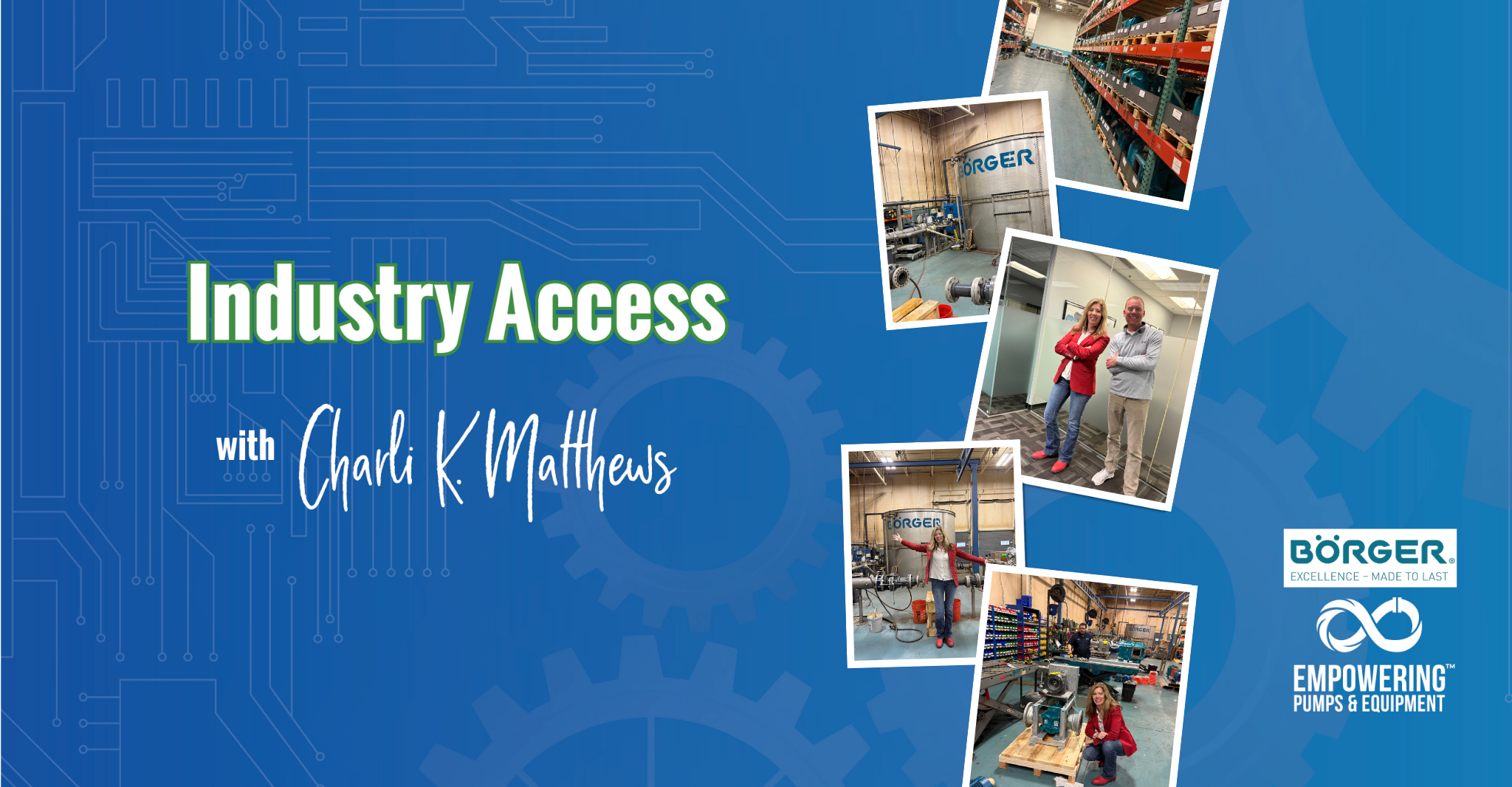
Recently, I had the opportunity to tour the U.S. headquarters of Boerger LLC located in Chanhassen, Minnesota. During my visit at the facility at 2860 Water Tower Place, I was guided through the operation by Jeff Seaton, Vice President of the Americas. This visit gave me a closer look at how Boerger focuses on service, inventory, testing, and long term reliability for their customers across North America.
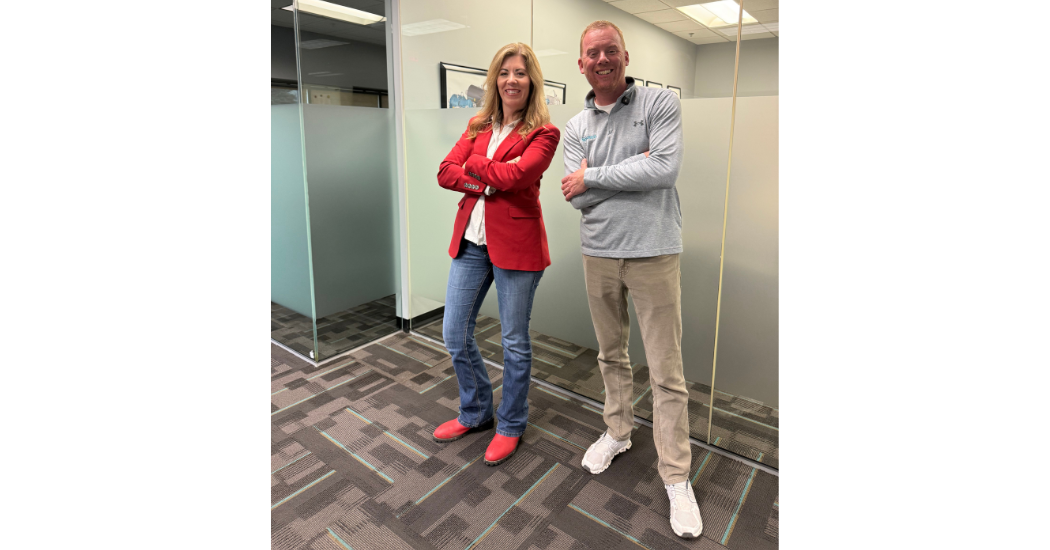 A Facility Designed to Support Customers
The Chanhassen facility serves as the U.S. headquarters for Boerger and supports customers throughout the Americas. The shop is divided into two main areas. One side focuses on manufacturing and fabrication. The other side focuses on inventory, final assembly, testing, and shipment.
Jeff explained that one of the first questions customers ask is simple. Do you have inventory in the United States?
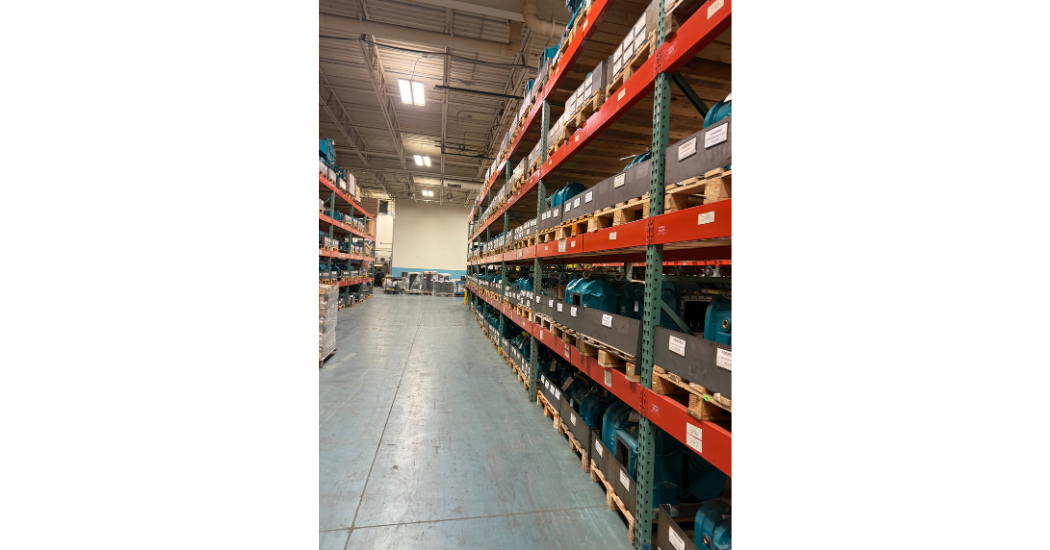
Walking through the warehouse answered that question quickly. The shelves are filled with pump components ready to support customers when they need them. Rotors, elastomers, wear plates, and mechanical seals are all stocked to support the installed base of equipment in the field.
For operators and maintenance teams, having parts available locally can make the difference between extended downtime and getting a process back online quickly.
 Assembly and Quality Control
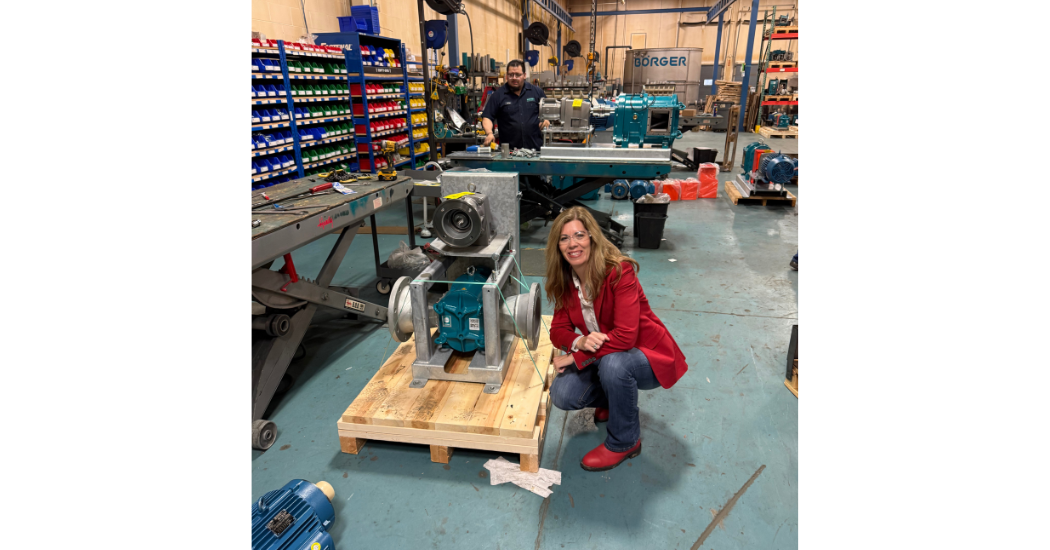
In the assembly area, I saw completed pump skids that had just finished quality control and were preparing for shipment. Each skid includes the pump head, base frame, and motor assembled together before testing.
This step ensures each unit is verified before leaving the facility. The goal is to provide confidence that the pump will perform exactly as expected once it reaches the customer’s site.
 Factory Acceptance Testing
Testing plays a critical role in reliability. At the facility, pumps can be placed on a Factory Acceptance Test machine after assembly or service work is completed.
The testing unit allows technicians to verify the integrity of the mechanical seals, check torque rotation, and confirm that the pump is operating properly. Once testing is complete, documentation is produced to confirm the pump’s condition before shipment.
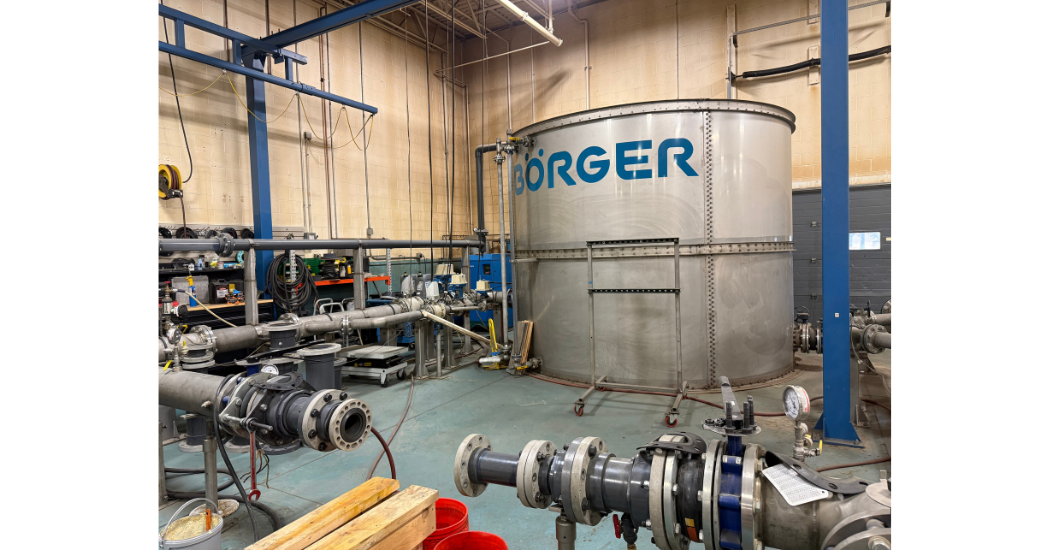
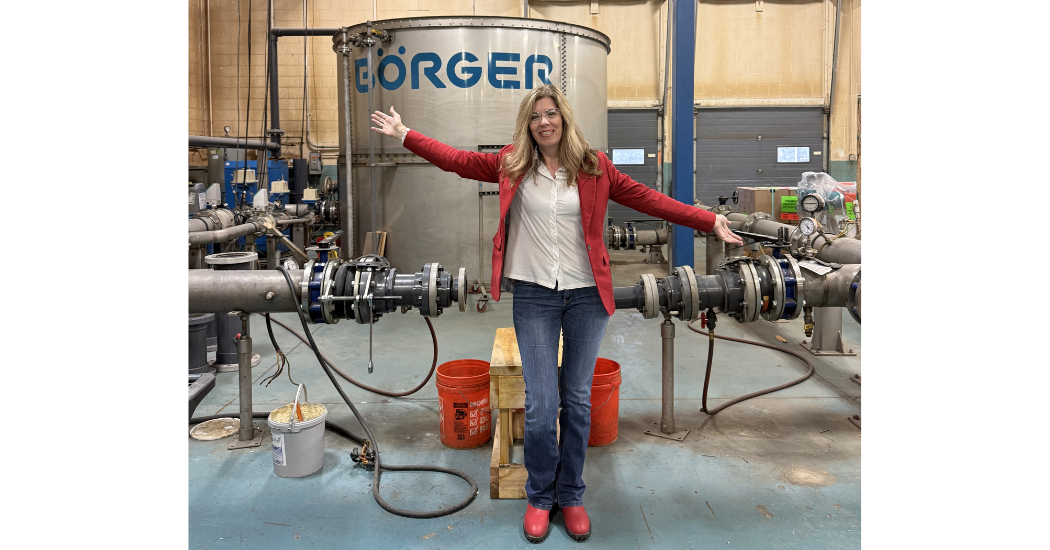
The facility also includes a test stand connected to a 5,000 gallon tank manufactured by Boerger in Europe. As a member of the Hydraulic Institute, the test stand is fully calibrated to perform certified performance testing.
With modulating valves, the team can simulate a customer’s specific flow and discharge pressure. This allows them to test the pump under conditions that closely match the real operating environment.
 Fabrication and Welding
Another part of the tour that stood out to me was seeing how many components are produced in house. Steel arrives weekly and moves through several stages of fabrication including cutting, forming, and welding.
Press brakes shape the steel before it moves to the welding area. The facility employs four full time certified welders who fabricate base frames, transition pieces, and piping components used in the pump systems.
During the tour I met Susanna, who was preparing base frames for welding by tacking the pieces together before completing the MIG welds along the seams. Seeing the craftsmanship involved in building these systems adds a whole new appreciation for the equipment that eventually ends up in the field.
Control Panels and Integration
The facility also houses a UL certified panel shop capable of producing both UL508A and UL698 control panels. This allows Boerger to provide integrated pump systems with electrical controls built directly into the solution.
For customers, this simplifies installation and ensures the system meets required electrical standards.
Spare Parts and Long Term Support
Supporting customers does not stop when the pump ships. Boerger maintains an extensive spare parts inventory to support equipment throughout its lifecycle.
Using their ERP system, the company tracks equipment sales and spare part usage. This allows them to monitor trends and adjust inventory levels each year based on what customers need most often.
The warehouse includes parts for multiple pump sizes and models so operators can quickly access components such as rotors, wear plates, elastomers, and mechanical seals.
A Pump Design Built for Maintenance
Jeff shared that one of the company’s most recognized pumps is the FL 518, the first design created by the company’s founder more than 50 years ago. The pump is still manufactured today.
One of the biggest advantages of the design is maintainability. Boerger promotes what they call Maintenance in Place, often referred to as MIP. With this approach, technicians can access internal components through the removable front cover without removing the pump from the piping system.
For maintenance teams, this design significantly reduces downtime and simplifies service.
Experience Behind the Equipment
Jeff has spent 18 years with Boerger and now leads the Americas division. Over the years he has helped support customers across a wide range of industries.
Spending time inside the facility reinforced something I have seen throughout my career. Reliability begins long before a pump reaches the field. It starts with thoughtful design, strong manufacturing practices, proper testing, and a team dedicated to supporting customers.
 Final Thoughts
Tours like this remind me why I have loved being part of the pump industry for more than 20 years. Behind every piece of equipment is a team of people committed to quality, service, and long term reliability.
Seeing the work happening inside facilities like this helps connect the dots between manufacturing, maintenance, and the operators who rely on this equipment every day. It is a reminder that reliability is not just something we hope for. It is something that is built into the process from the very beginning.
Watch the tour on YouTube