Why it matters
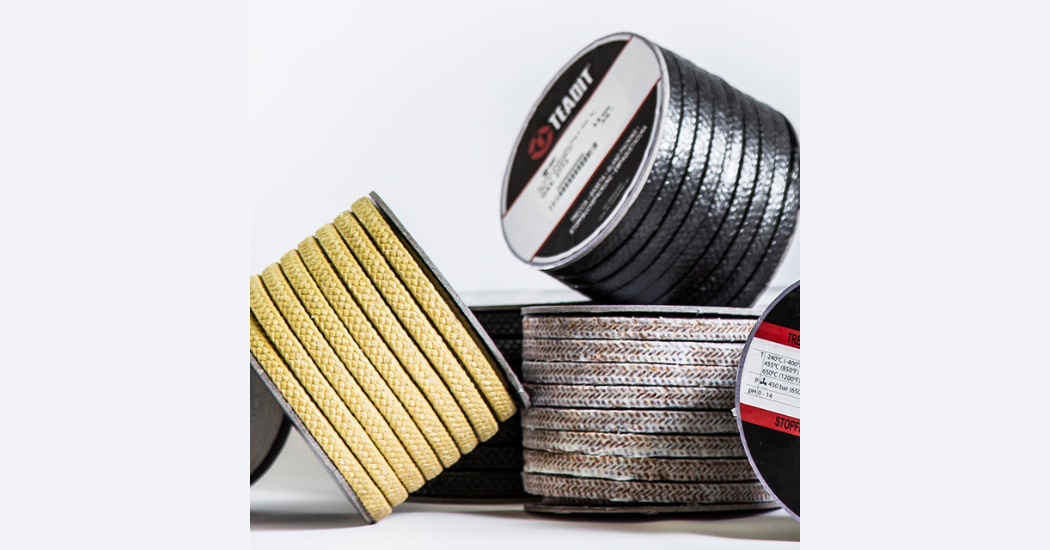
Pumps are the heart of industrial processes, but their performance is only as reliable as the seals preventing leaks. Compression packing is widely used due to its practicality and cost-effectiveness; however, selecting the wrong style or material can lead to premature wear, downtime, or regulatory issues. Use this step-by-step guide to make the right choice!
Step 1: Identify Operating Conditions
- Temperature, pressure, and shaft speed directly impact packing life.
- Match packing to service demands. High-temperature or high-speed applications require reinforced packing (e.g., phenolic fiber with graphite dispersion).
- Consider system variations. Pulp and paper services face abrasive slurries, while chemical plants face chemically aggressive fluids.
- Make sure the shaft and stuffing box tolerances are within the acceptable range.
Step 2: Assess Fluid Compatibility
- Evaluate fluid properties: pH, viscosity, corrosiveness, abrasiveness, toxicity, vapor pressure, and boiling point.
- Corrosive or abrasive fluids demand reinforced fibers.
- Corrosive chemicals → PTFE or graphite blends.
- Abrasive slurries → phenolic or aramid fibers.
- Even fluids that appear “benign” (like water) can cause issues if abrasive or handled at high velocity.
Step 3: Verify Material Standards
- Confirm compliance with NSF-61, FDA, USDA, or USP Class VI for potable or consumable service.
- Non-compliant packing can compromise media integrity and safety. Match packing material to service requirements:
- NSF-61 for potable water.
- FDA/USDA/USP Class VI for food and pharmaceutical use.
- Non-compliance risks both product contamination and regulatory penalties.
- Always request certification documentation from the supplier to verify compliance.
Step 4: Manage Thermal Expansion
- Understand friction-generated heat between the packing and the shaft.
- Pure PTFE expands ~12× more than steel, increasing the risk of scoring and overheating.
- Mitigation: use engineered PTFE blends (graphite, barium sulfate) with closer expansion rates to steel, improving thermal stability and service life.
Step 5: Define Drip Performance
- Determine acceptable drip leakage based on maintenance history and equipment manual. Every industry has different thresholds:
- Water service → minor leakage acceptable.
- Slurries and Process fluids → Requires a minor drip from refrigeration water
Step 6: Evaluate Cost & Lifecycle Factors
- Look beyond the initial installation cost. Consider:
- Service intervals
- Supplier support, warranties, and retrofit options
- Frequency of replacement
- Downtime cost during outages
- Maintenance labor required
- Higher-quality engineered packing often reduces the total cost of ownership.
- Factor in supplier reliability, technical support, and retrofit compatibility with existing equipment.
Step 7: Match Pump Type
- Different pumps impose different stresses:
- Centrifugal/rotodynamic: higher shaft speeds → low-friction, PTFE and/or graphite dispersed packing.
- Positive displacement (piston/plunger): higher pressure → reinforced aramid.
- Always align pump duty cycle with packing durability.
Common Pitfalls to Avoid
- Over-tightening packing → accelerates wear.
- Ignoring lubrication → increases friction and heat.
- Skipping regular inspections → small leaks escalate to failures.
Final Takeaway
Choosing compression packing is not just about picking a material; it is about aligning operating conditions, fluid compatibility, and pump design. When done right, it extends service life, increases savings, and lowers total operating costs.
To learn more about the benefits of compression packing for pump sealing, read the full article.