In centrifugal pumps, the stuffing box is a critical sealing component that prevents leakage where the rotating shaft exits the pump casing. Its primary role is to house your sealing device and prevent fluid leakage. Understanding the stuffing box can help extend pump life, reduce downtime, and improve overall reliability.
What Is a Stuffing Box?
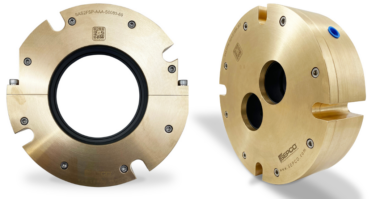
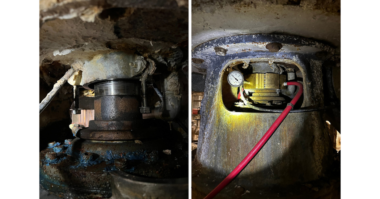
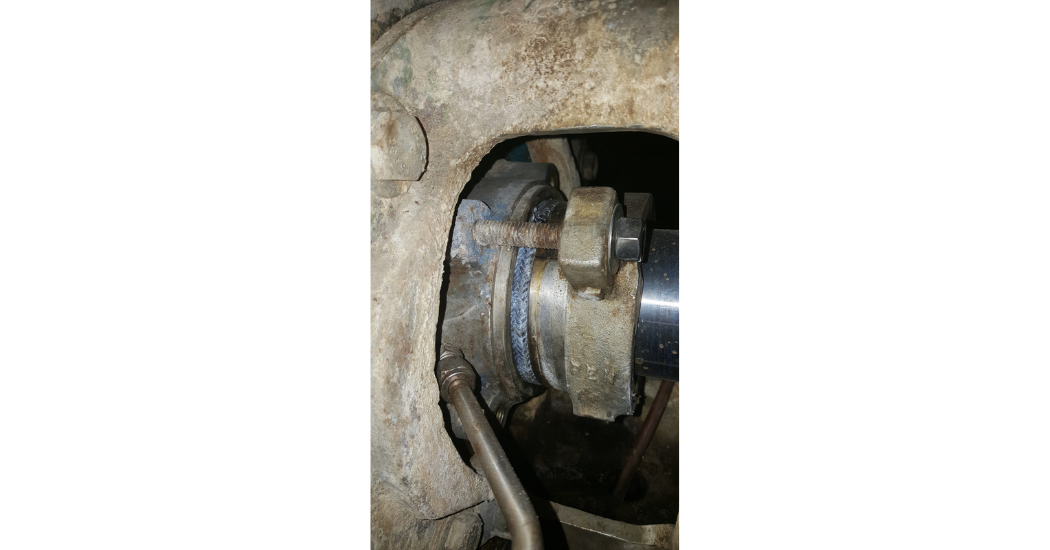
A stuffing box (also called a seal chamber) is the annular space around the pump shaft. It houses sealing materials to control leakage of the pumped fluid. Traditionally, it uses compression packing—”stuffed” around the shaft—hence the name. Modern versions may accommodate mechanical seals instead.
Key Components
- Stuffing Box Housing: The chamber integrated into or bolted to the pump casing.
- Shaft or Shaft Sleeve: The rotating element; a sleeve protects the shaft from wear.
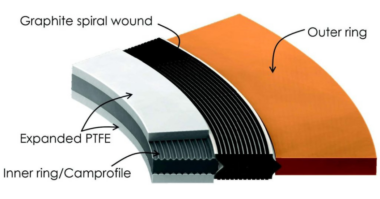
- Packing Rings: Braided material (e.g., PTFE, graphite-free options) compressed around the shaft.
- Gland Follower: Adjusts compression on the packing.
- Lantern Ring (optional): A perforated ring for injecting flush fluid to cool and lubricate the packing.
How It Works
The gland compresses the packing rings, causing them to expand radially against the shaft and housing. This creates a seal. Importantly, stuffing boxes are designed for controlled leakage—a few drops per minute—to lubricate and cool the packing, preventing overheating and premature wear.
Packing vs. Mechanical Seals
Traditional packing is cost-effective and forgiving but requires maintenance and allows minor leakage. Mechanical seals provide a dripless, lower-friction, and low-maintenance alternative, but are more expensive and sensitive to misalignment.
Installation and Maintenance Tips
Proper packing installation is key to longevity:
- Remove old packing completely.
- Cut new rings at 45° angles, staggering joints.
- Install rings one by one, seating firmly.
- Align the lantern ring with the flush port if present.
- Tighten the gland evenly—snug, not overtight.
Common Problems and Solutions
- Excessive Leakage: Under-tightened gland, worn packing, or shaft sleeve, and shaft deflection.
- Overheating/Shaft Wear: Over-tightening may lead to insufficient flushing or dry running
- Premature Failure: Wrong packing material for the application (temperature, pH, abrasives).
Choose graphite-free, conformable packings like novoloid fiber with PTFE for challenging services—they require less gland load and extend life.
Conclusion
Mastering the stuffing box means better pump performance and fewer headaches. Regular inspection, proper packing selection, and correct adjustment are your best tools. For advanced solutions, explore high-performance compression packing from a SEPCO reliability specialist.