NETZSCH Progressing Cavity Pump replaces a centrifugal pump to solve a clogging problem that caused an unnecessary secondary processing step.
Bacterial endotoxin exposure is dangerous to humans especially if the toxin enters our blood stream directly like through injectable drugs or medical devices. The quality check for the safety of vaccines, injectable drugs, intravenous deliveries, and implant
devices comes from a test that begins with the blood of the horseshoe crab.
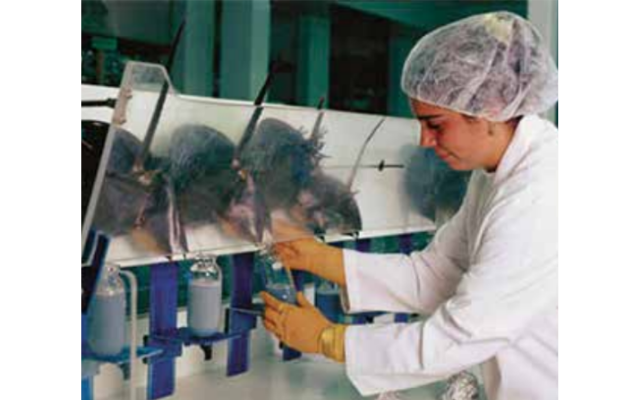
How does the horseshoe crab protect the public health? An extract of the horseshoe crab’s blood is used by pharmaceutical and medical devices industries to ensure that their products are free of bacterial contamination. This test is based on the fact that the blood of the horseshoe crab gels or clots when it comes in contact with endotoxin; no other test works as easily or depend- ably. It is greatly important because bacterial endotoxin can withstand steam sterilization.
The crabs are collected in shallow water, by hand from a small boat then transported to the laboratory. The crabs are bled in the laboratory where up to 30% of the crab’s blood can be safely removed. After they are bled the crabs are returned to the sea where it takes about a week for the crab’s blood volume to return to normal. The valued free cell reagent is removed from the harvested crab blood.
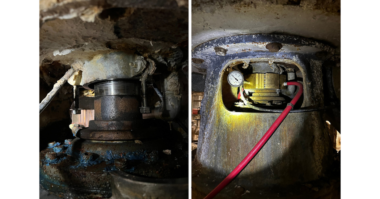
This free cell reagent is called Limulus amebocyte lysate or LAL. The unused portion of the blood is sent down a drain and is collected in a sump. The life sciences company harvesting the blood was using a submersible centrifugal pump to move the waste blood from the sump to a storage tank. If the blood was left for any time in the sump or in the pipe line, a problem with the centrifugal pump was created; the blood would clot and become too viscous for the centrifugal pump. When the pipe lines became clogged they could not be cleared with the centrifugal pump alone and so an air purge was needed.
This customer contacted NETZSCH looking for a dependable and optimized solution. A NEMO® progressing cavity pump BO series with an open hopper and integrated auger system was offered. An extension hopper above the suction inlet of the pump assisted with the waste blood collection. Level probes were installed inside the hopper to control the flow. This new progressing cavity pump has been in operation for a few years without shortcomings. The life sciences company has not had any pipe line clogs since switching to the NEMO® pump.
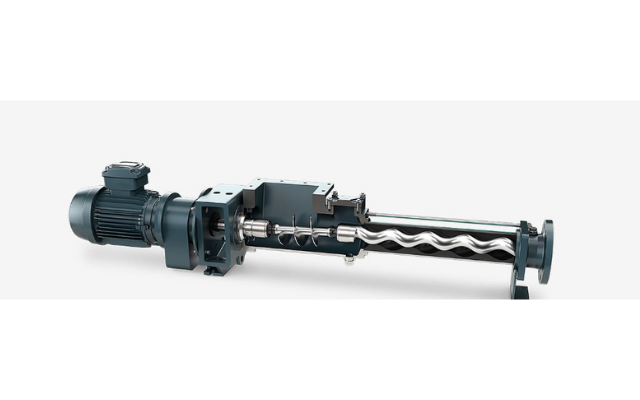
Netzsch NEMO® BO Progressing Cavity Pump
Other Applications
The NETZSCH NEMO® pump can also be used for other blood applications like chicken, pork or beef processing plants.