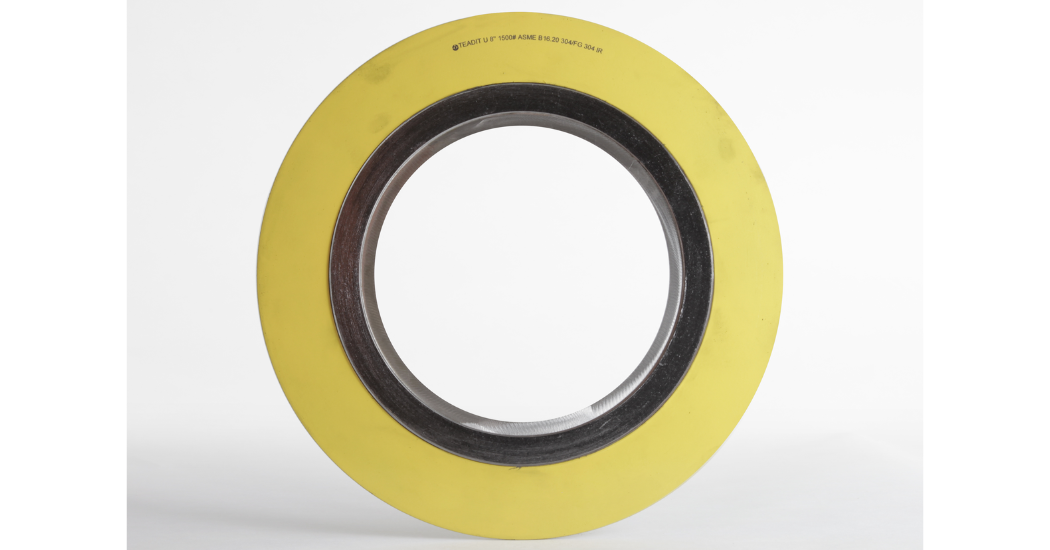
Spiral wound gaskets (SWGs) are essential components in sealing applications, particularly for industries working to achieve low-emission compliance and reduce product loss while improving operational efficiency.
This six-step guide provides a practical overview of how SWGs support emission control initiatives, flange integrity, and long-term plant reliability.
Step 1: Recognizing the Importance of Low-Emission (LE) Gaskets
As industries move toward low-emission technologies, SWGs are becoming increasingly important in reducing fugitive emissions. While consent decrees (CDs) have historically focused on emissions from valves, there is growing attention on the efficiency of low-emission gaskets and their role in improving connector performance.
As a result, gasket manufacturers are offering high-performance SWGs designed specifically for low-emission applications.
Key Takeaway: Standardizing low-emission gaskets helps reduce legal risk, supports sustainability goals, and positions facilities ahead of regulatory changes.
Step 2: Understanding Consent Decrees and Their Impact
Consent decrees are legally binding agreements between regulatory agencies, such as the EPA, and companies found to be in violation of environmental laws or compliance requirements.
These agreements typically define corrective actions, timelines, and penalties, helping facilities improve compliance and reduce emissions.
Key Takeaway: Understanding consent decrees helps companies prepare for regulatory changes and align operations with compliance goals.
 Step 3: Selecting the Right SWG Material
Metallic material selection has a critical impact on gasket integrity.
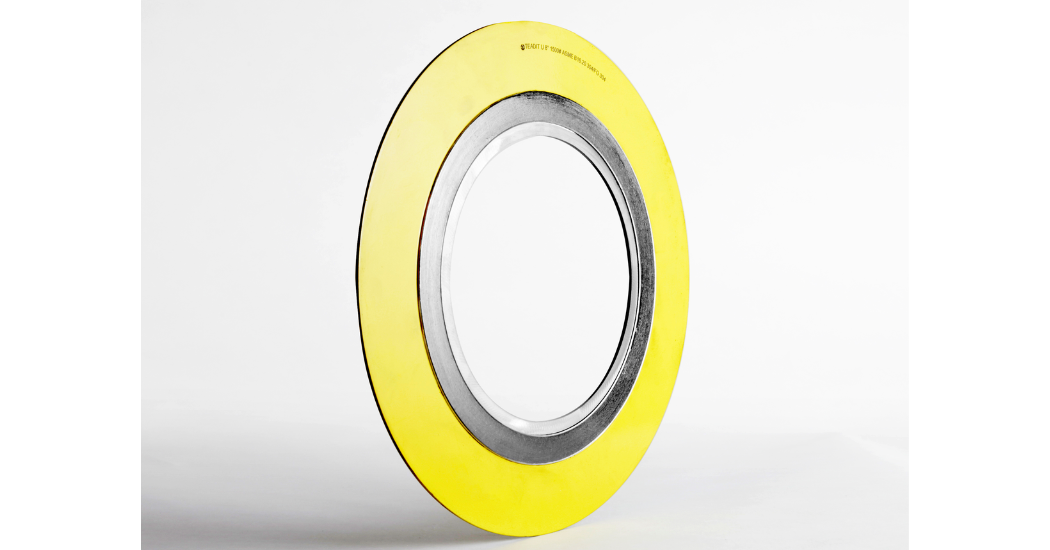
The correct selection of material for the metallic strips is crucial to ensure thermal and chemical compatibility. TEADIT’s Style 913M SWG combines advanced winding construction with premium filler materials to deliver high sealing performance in low-emission applications.
Key Takeaway: Choosing the right material for the application improves leak prevention and long-term reliability.
Step 4: Ensuring Proper Flange Assembly
Even the highest-quality gasket can fail if installed incorrectly. The ASME PCC-1 standard outlines best practices for flange assembly, though it does not specify exact torque values since these depend on flange type, gasket style, and bolt properties. Consult your manufacturer for specific torque values.
Working with trained technicians and following proper bolt-up procedures is critical. Hands-on training and torque guidance help ensure proper sealing and consistent performance.
Key Takeaway: Proper installation is essential. Training and best practices are critical for reliable sealing performance.
Step 5: Preparing for Future Regulations
As emissions standards continue to tighten, SWGs will play an increasingly important role in compliance strategies.
Selecting gaskets that meet ASME B16.20 performance requirements and working with manufacturers that provide supporting test data can help achieve emissions well below allowable limits.
Key Takeaway: Upgrading to ASME B16.20-compliant low-emission gaskets supports long-term compliance and operational efficiency.
Step 6: Implementing Low-Emission Gaskets in Your Facility
Transitioning to low-emission gaskets requires updates to procurement practices, the gradual replacement of non-LE gaskets, and proper flange assembly training.
Many facilities take a proactive approach by identifying and replacing non-LE gaskets during routine maintenance and turnaround periods.
Key Takeaway: A planned transition strategy improves regulatory readiness and strengthens overall emission control efforts.
Final Thoughts
By following these six steps, facilities can improve sealing performance, strengthen flange integrity, and support long-term compliance goals.
As sealing technology continues to advance, proactive adoption of low-emission solutions will remain essential for improving reliability, efficiency, and environmental sustainability.
To learn more about strengthening seal integrity, read the full article.