The Benzene Waste Operations NESHAP (BWON) regulation plays a critical role in reducing harmful air pollutants in certain industrial facilities. Promulgated in 1990 under the Clean Air Act (40 CFR Part 61, Subpart FF), the BWON is designed to control benzene emissions from waste streams in petroleum refineries, chemical plants, coke by-product recovery operations, and specific waste treatment facilities.
Why the BWON Is Important
Benzene is a known carcinogen. Managing the benzene emissions in waste streams is essential not only for regulatory compliance but also to protect public health and the environment.
Key Compliance Requirements
The BWON is unique in that it integrates air, waste, and wastewater regulations. It defines a set of standards for how waste streams and waste management units (WMUs) must be controlled and monitored to limit benzene emissions.
Key subsections of the rule include:
- Applicability (which facilities and waste streams are covered).
- Emission Limits: WMUs must operate with No Detectable Emissions (NDE) which is an EPA Method 21 readings not to exceed 500 ppmv VOC above background.
- Reporting Thresholds (based on Total Annual Benzene, or TAB, of a facility):
- >10 Mg/yr: Controls are required plus quarterly & annual reporting.
- 1–10 Mg/yr: Annual reporting is required.
- <1 Mg/yr: An initial and subsequent update reports are required.
Waste streams are evaluated on benzene concentration and composition. For example, WMUs that receive or manage organic waste streams with <10% water must be monitored and repaired if emissions exceed 500 ppmv VOC above background.
How to Stay Compliant: Engineering Controls Matter
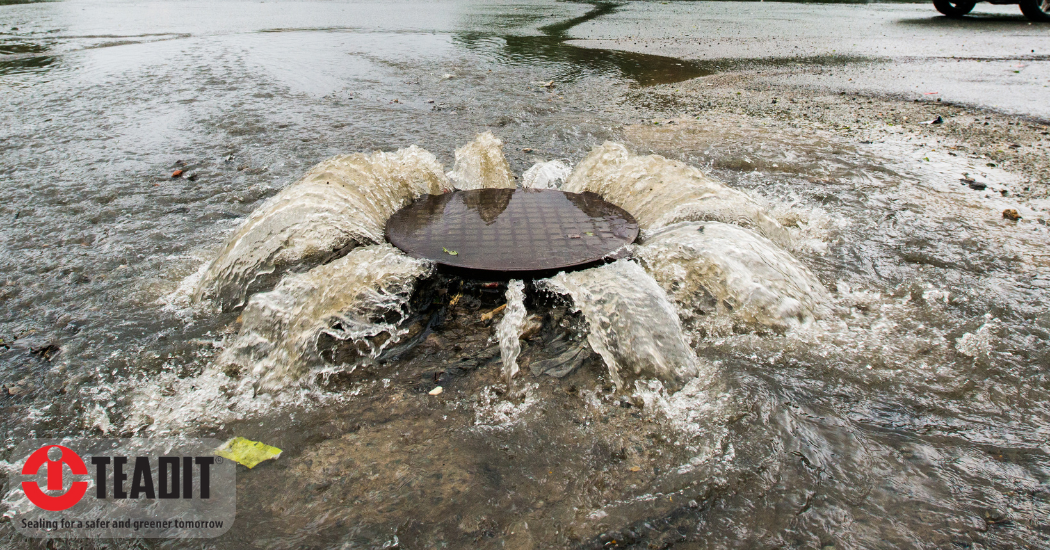
Recent Agency inspections reveal frequent noncompliance, often from leaks in WMUs, tanks, separators, and valves. To improve control of WMUs facilities should:
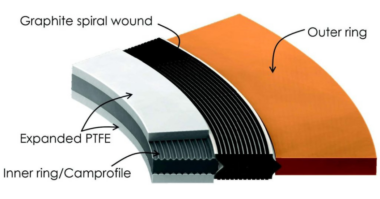
- Use low-emission (< 100 ppm) gaskets and valve packing materials in equipment required to leak less than 500 ppm (NDE) above background.
- Implement the use of optical gas imaging (OGI) for early leak detection on any equipment with a NDE requirement.
- Ensure timely and proper repair of any equipment with leaks > 500 ppm above background.
The Role of Sealing Technologies
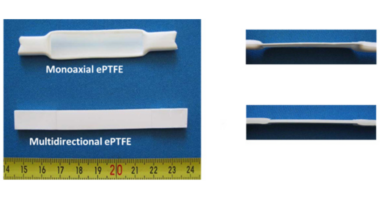
Modern gaskets and sealing solutions:
- Resist harsh industrial environments
- Ensure long-term performance
- Support regulatory compliance
- Lower operational costs through reduced leaks and maintenance downtime.
Learning from EPA Consent Decrees
Enforcement actions highlight the importance of proactive emissions management. Common consent decree requirements include:
- New and Upgraded equipment controls to reduce emissions
- Advanced leak monitoring systems, such as OGI, and fixed sensors
Takeaway
Compliance with the BWON is more than a legal necessity, it is a commitment to environmental stewardship. By adopting advanced sealing technologies and maintaining vigilant emissions monitoring, facilities will comfortably meet regulatory standards while enhancing public trust and operational improvements through reduced maintenance downtime and cost.