Think You Know What Keeps Valves Leak-Free?
Fugitive emissions and valve leaks are top concerns in today’s industrial operations. Not only from a compliance perspective but for safety, reliability, and cost control concerns as well. Test your knowledge and see how much you really know about sealing technology, emissions standards, and solutions like TEADIT®’s 2848!
Results


#1. Why are valves a key focus in emission mitigation strategies?
They are often the primary source of fugitive emissions.
Key Takeaway: Valves, especially control valves, are one of the largest contributors to fugitive emissions due to their frequent operation and complex sealing requirements.
#2. What percentage of fugitive emissions originate from valves according to the EPA?
60%
Key Takeaway: Studies by the EPA show that valves account for 60% of fugitive emissions, making them a top priority for sealing improvements and emission reduction efforts.
#3. Which standards are critical for testing valve performance related to fugitive emissions?
API 641 and ISO 15848-1
Key Takeaway: API 641 and ISO 15848-1 are the key global standards that define acceptable leakage rates and durability tests for valves to ensure low fugitive emissions.
#4. What is the maximum allowable leakage rate in API 641 tests?
100 PPMv
Key Takeaway: API 641 tests valve emissions with methane, allowing a maximum leakage rate of 100 PPMv to ensure compliance with low-emission requirements.
#5. What is the primary goal of reducing fugitive emissions in industrial facilities?
To meet environmental regulations and improve safety
Key Takeaway: Reducing fugitive emissions helps companies comply with strict environmental regulations, protect worker health, and minimize greenhouse gas contributions
#6. What is a key advantage of TEADIT® 2848 over traditional CLLT packing?
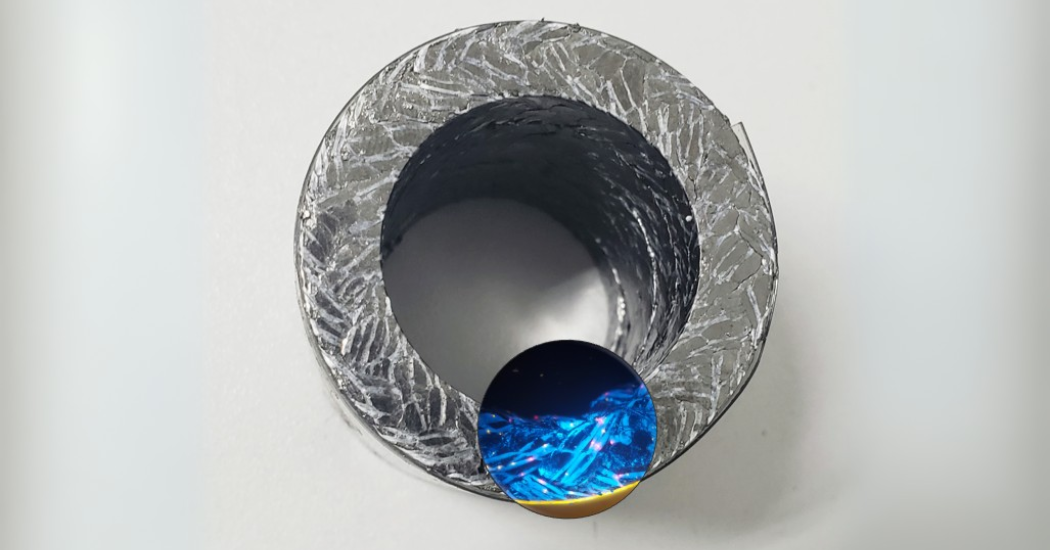
Key Takeaway: TEADIT® 2848 uses PTFE-reinforced graphite yarn, reducing friction by up to 40%, minimizing wear, and extending valve life compared to traditional metal-reinforced packing.
#7. What does the absence of metal reinforcement in TEADIT® 2848 prevent?
Shaft damage (scoring of the valve stem)
Key Takeaway: Without metal reinforcement, TEADIT® 2848 prevents scratching or scoring of valve stems, which is a common cause of leaks and premature valve failure.
#8. What operational benefits result from implementing low-emission packing like TEADIT® 2848?
Lower emissions, reduced downtime, and cost savings
Key Takeaway: Low-emission packing extends service life, reduces maintenance frequency, and minimizes unplanned downtime, directly lowering total cost of ownership.
#9. Which factor most significantly impacts the total cost of ownership (TCO) of valve systems?
Frequency of maintenance and downtime due to leaks
Key Takeaway: Minimizing leaks and maintenance through effective sealing solutions lowers operational costs and extends equipment lifespan, reducing the TCO.
#10. Which of the following is a key takeaway about TEADIT® 2848?
It significantly lowers stem friction and meets emission standards.
Key Takeaway: TEADIT® 2848 is engineered to exceed API 641 and ISO 15848-1 requirements while offering lower friction, higher durability, and long-term cost savings.
To learn more about the benefits of low-emission packing and its positive impact on total cost of ownership, read the full article.