1. A Single Electrolyser Can Require Hundreds of Gaskets
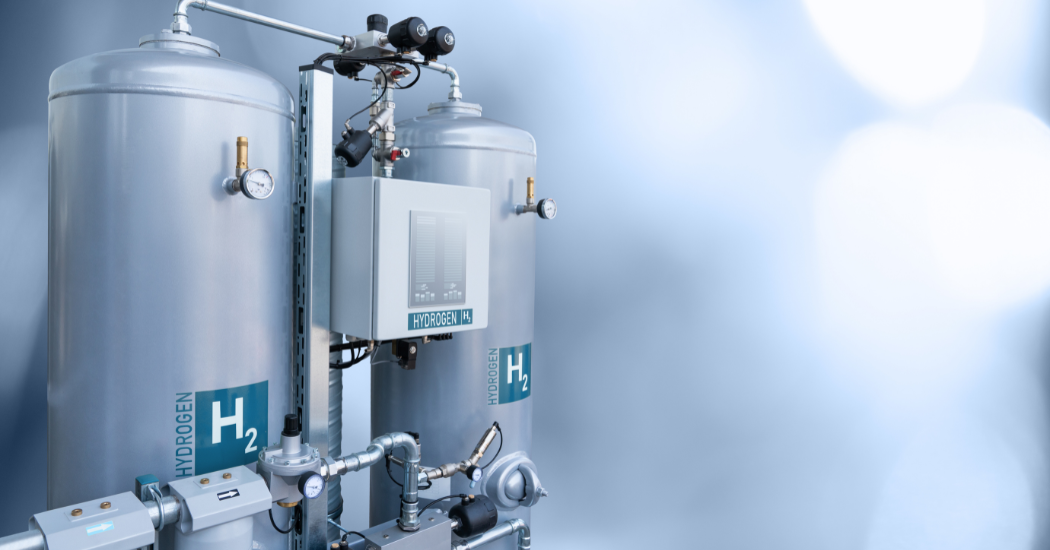
Electrolysers, which produce green hydrogen from water using renewable energy, are complex systems with an extraordinary number of seals. A 5-MW alkaline electrolyser requires roughly 500 gaskets to maintain safe, leak-free operation. As the industry scales to gigawatt capacities, the demand for high-performance sealing solutions will grow exponentially.
2. Customization is Essential for Leak-Free Operation
Electrolysers are often custom-built, meaning that standard gaskets will not be applicable to the application. Tailored sealing solutions are therefore required to handle the unique geometries and conditions of each system.
Early collaboration between sealing solutions providers and equipment designers can lead to:
- Optimized gasket design, reducing failure risks.
- Lower production costs and improved efficiency.
- Greater reliability during the early stages of system development.
As mass production of hydrogen plants approaches, this custom-engineering approach reduces overall production costs while ensuring long-term performance.
3. PTFE Gaskets Can Last for Decades
Polytetrafluoroethylene (PTFE) is a material of choice for sealing in alkaline electrolysers. Why?
- It offers exceptional chemical resistance.
- It can withstand harsh operating conditions; some seals have been documented to last up to 20–30 years in electrolyser applications.
4. Cost-Effective Sealing is Driving Innovation
To stay competitive, manufacturers are continually investing in R&D efforts to ensure that the engineered solutions provide exceptional technical performance. These types of innovation help reduce expenses without compromising on quality, a crucial advantage as global hydrogen projects expand across various markets.
5. Regional Markets Are Evolving Fast
Europe is leading with strong government funding and policies driving green hydrogen projects. The Middle East, particularly Saudi Arabia, is rapidly developing gigawatt-scale hydrogen plants, while North America is growing at a more cautious rate.
The growth of hydrogen production underscores the importance of specialized sealing expertise. Leading providers bring:
- Global networks of engineers who design high-performance, custom gaskets.
- R&D-driven solutions for safety and efficiency.
- Close partnerships with electrolyser manufacturers to co-develop next generation sealing technology.
Key Takeaway
Although gaskets are small components of an electrolyser, they are critical to the success of green hydrogen production. From customization and material innovation to global expertise, sealing solutions are the quiet enablers of the clean energy transition.
Learn more about sealing solutions in the green hydrogen revolution!