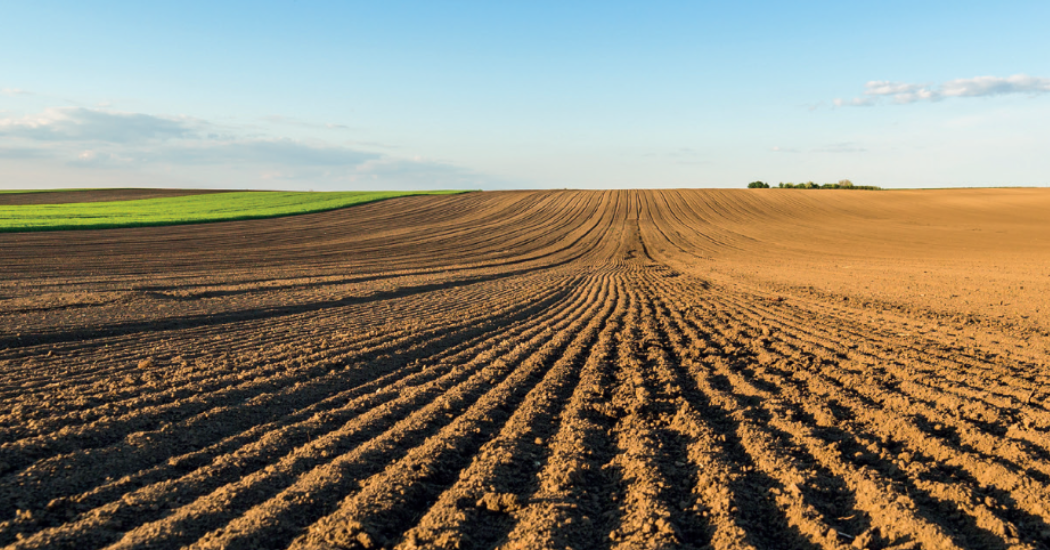
The survival of the global population depends on protecting arable land, the limited share of Earth’s surface capable of supporting crops. The health of this land is under direct threat from climate change, resource mismanagement, and industrial emissions. One overlooked but vital connection is the role of sealing solutions in reducing fugitive emissions, protecting ecosystems, and ensuring the long-term sustainability of agriculture.
Here are 10 key reasons why sealing technologies are essential to safeguarding arable land and securing the world’s food supply, bridging the gap between industrial reliability and agricultural resilience.
1. Arable Land Is Finite and Fragile
Only about 1.5 billion hectares (~3.7 billion acres) of land worldwide is classified as arable, which accounts for just 30% of total agricultural land. Protecting this limited resource from contamination, overuse, and climate stress is essential. Sealing solutions that prevent leakage from industrial processes help limit pollution and preserve arable soil and water supplies.
2. History Proves the Stakes Are High
The 1930s Dust Bowl showed how mismanagement and environmental stress can devastate food systems. Today, emissions-driven climate change poses a similar risk, but on a global scale. Industrial sealing improvements reduce emissions, directly supporting more stable agricultural conditions.
3. Climate Change Directly Impacts Crop Yields
The UN IPCC warns that exceeding a 1.5°C (2.7°F) rise in global temperature could cause catastrophic losses in crop productivity due to droughts, heatwaves, and flooding. Industrial sealing technology plays a crucial role in mitigating global warming by reducing fugitive emissions at their source.
4. Fugitive Emissions Add Up
Refineries, power plants, and chemical facilities are major contributors to greenhouse gas (GHG) emissions.
- Each site has thousands of valves, compressors, and flanges; all potential leak points.
- Minor leaks contribute significantly when multiplied across an entire facility.
Deploying certified low-emission sealing products directly cuts emissions at scale.
5. Compliance and Food Security Are Connected
When facilities reduce emissions through proper sealing solutions, the benefits extend beyond compliance:
- Lower regulatory penalties and fees.
- Fewer consent decrees and operational restrictions.
- Indirect support for agriculture by reducing the atmospheric drivers of climate volatility.
6. Sealing Solutions Deliver Reliability
Adopting high-performance gaskets and packing styles reduces downtime and improves efficiency. For industries linked to food production, such as fertilizer, water treatment, and biofuels, this translates to:
- More stable supply chains.
- Reduced risk of production disruptions that ripple into agricultural markets.
7. ASME PCC-1 Best Practices Matter
Proper installation is as important as the product itself. Following ASME PCC-1 Guidelines for Pressure Boundary Bolted Flange Joint Assembly ensures that sealing products perform to their full potential, maximizing emission reductions and reliability.
8. Supporting Nature-Based Solutions
Sealing products may not plant trees, but they reduce emissions that drive deforestation, desertification, and flooding, the very forces shrinking arable land. By integrating sealing solutions with nature-based solutions (NBS) such as reforestation and wetland restoration, industries can amplify their impact.
9. Global Responsibility for Food Security
Protecting arable land is not just the job of farmers. Engineers, manufacturers, and industrial leaders all play a significant role in maintaining the stability of food systems. Each properly sealed joint in an industrial facility contributes to protecting the conditions that allow crops to grow worldwide.
10. The Road Ahead
The future of food security depends on:
- Innovation in sealing materials: to withstand harsher service conditions and deliver longer service life.
- Industry adoption of certified low-emission technologies: reducing fugitive emissions across thousands of sites.
- Commitment to installation excellence: to ensure performance in real-world operations.
Without these measures, the battle to protect arable land and global food supply chains will be much harder to win.
Sealing solutions are more than an engineering detail; they are a frontline defense in the fight for sustainable food systems. Every gasket, every packing, and every properly tightened flange connection represents an opportunity to cut emissions, protect ecosystems, and safeguard the planet’s capacity to feed billions.
To learn more about how innovative sealing solutions can help safeguard our food supply, read the full article here!