Predictive maintenance is a proactive maintenance strategy that involves monitoring the condition and performance of equipment during normal operation to detect possible defects and fix them before they result in failure. This approach uses data, statistical analysis, and machine learning algorithms to predict equipment failures before they happen.
While the initial investment in predictive maintenance technology (sensors, software, etc.) can be significant, the cost savings due to reduced downtime, optimized maintenance schedules, and increased equipment life often result in a positive return on investment. Additionally, as technology continues to advance and become more affordable, the cost of implementing a predictive maintenance program is becoming more accessible for many organizations.
Some of the benefits of implementing the Predictive Maintenance approach include:
Reduced Downtime: By detecting problems before they lead to failure, equipment can be repaired or replaced before it breaks down, reducing unplanned downtime.
Optimized Maintenance Schedule: Maintenance activities can be scheduled at the most convenient times, minimizing disruption to operations.
Increased Equipment Life: Regular monitoring and maintenance can lead to longer equipment life and fewer unexpected breakdowns.
Improved Safety: Predicting and preventing equipment failures can reduce the risk of accidents.
Reduced Costs: Predictive maintenance can lead to lower maintenance costs by avoiding unnecessary preventive maintenance activities and reducing the need for emergency repairs.
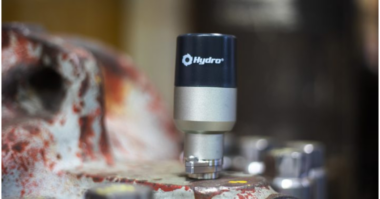
Implementing predictive maintenance is a multifaceted process that involves several key steps and considerations. Initially, it is essential to understand the equipment and machinery in your facility. This involves identifying critical components, failure modes, and the parameters that can indicate their condition, such as temperature, pressure, vibration, and leakage. Following this, sensors and data collection devices should be installed to continuously monitor the identified key parameters. For instance, vibration sensors can be installed on motors and bearings, pressure sensors on pipes and valves, and temperature sensors on critical components.
The collected data should then be analyzed using data analysis tools and software. Developing algorithms and models to predict the condition of the components and machinery based on the collected data is crucial, and machine learning algorithms can be instrumental in identifying patterns and predicting failures. Subsequently, predictive maintenance software should be implemented to analyze the data, indicate when maintenance or replacement of components and machinery is required, and generate alerts and reports. This software should then be used to plan maintenance activities, scheduling maintenance or replacement of components and machinery before they fail, based on the software’s predictions.
All maintenance personnel should be trained on the use of predictive maintenance tools and software, as well as on the procedures for maintaining and replacing the components and machinery. It is also essential to continuously monitor the performance of the predictive maintenance system and make necessary adjustments and improvements, updating the models and algorithms based on actual performance and failures. Integration of the predictive maintenance system with other systems used in the facility, such as the Computerized Maintenance Management System (CMMS), Enterprise Resource Planning (ERP) system, and the Supervisory Control and Data Acquisition (SCADA) system, is also crucial.
Collaboration with the vendors and suppliers of the sealing components and machinery is essential. Sharing data and insights on the performance and failures of their products and working together to improve their quality and reliability is key. Finally, it is important to ensure that the predictive maintenance system and the maintenance procedures comply with the relevant standards and regulations, such as ISO 9001, ISO 14001, and OSHA regulations.
Implementing predictive maintenance involves a comprehensive approach that includes understanding the equipment, collecting and analyzing data, implementing predictive maintenance software, planning maintenance activities, training personnel, continuously improving the system, integrating with other systems, collaborating with vendors, and complying with standards and regulations. Proper implementation can lead to increased equipment reliability, reduced maintenance costs, and improved operational efficiency.
While the initial investment in predictive maintenance technology (sensors, software, etc.) can be significant, the cost savings due to reduced downtime, optimized maintenance schedules, and increased equipment life often result in a positive return on investment. Additionally, as technology continues to advance and become more affordable, the cost of implementing a predictive maintenance program is becoming more accessible for many organizations.
Looking for a Sealing Solutions Provider?
SEPCO has sealing solutions for many applications, even those with the strictest standards and the most challenging environments. SEPCO has decades of experience in providing solutions across multiple industries.