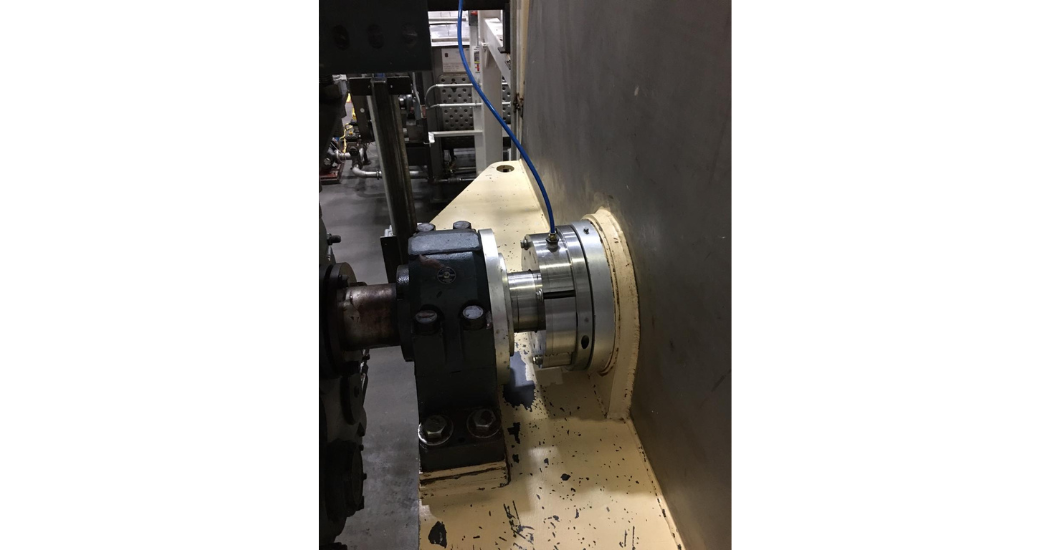
Selecting the optimal sealing solution is essential for maximizing efficiency and minimizing operational costs in demanding industrial environments. This case study compares the SEPCO SAS Air Seal with a traditional contact seal (Seal “C”), highlighting performance, maintenance, and cost benefits based on real customer experiences.
Seal Technology Comparison
SEPCO SAS Air Seal
- Type: Non-contact pneumatic seal
- How It Works: Uses air to create a sealing barrier, reducing wear on shafts/sleeves
- Key Features: Handles misalignment and movement, low air usage, lasts years without failure
- Maintenance: Rarely needs parts; affordable replacements
- Cost Benefits: Lower long-term costs due to durability and minimal upkeep
- Special Note: FDA-compliant versions support clean-in-place for food and beverage industries
Seal “C” (Traditional Contact Seal)
- Type: Contact air purge seal
- How It Works: Air presses PTFE faces together, causing wear and potential shaft damage
- Key Features: Limited movement tolerance, high air consumption
- Maintenance: Needs annual rebuilds and costly part replacements
- Cost Benefits: Higher costs due to frequent maintenance and shorter lifespan
- Special Note: Prone to contamination; not suitable for clean-in-place processes
Real-World Results
- Switching to SAS: One customer saved significantly by replacing Seal “C” with SAS, cutting maintenance costs. Seal “C” rebuild kits cost $1,200 for a 4.75-inch seal (~$250 per shaft inch).
- Spice Industry: Seal “C” failed every six months due to high speeds, costing $18,000 to replace 16 seals in nine months. SAS improved durability and slashed expenses.
- Food & Beverage: Seal “C” allowed contamination and couldn’t be cleaned in place, unlike SAS, which stayed clean and contamination-free without disassembly.
Why Choose SEPCO SAS Air Seal?
The SAS Air Seal outperforms Seal “C” with better reliability, lower maintenance, and superior cost-effectiveness. It reduces downtime, prevents contamination, and extends equipment life, making it ideal for demanding industries like food processing. Switching to SAS boosts efficiency and cuts ownership costs, offering a smart solution for challenging sealing needs.