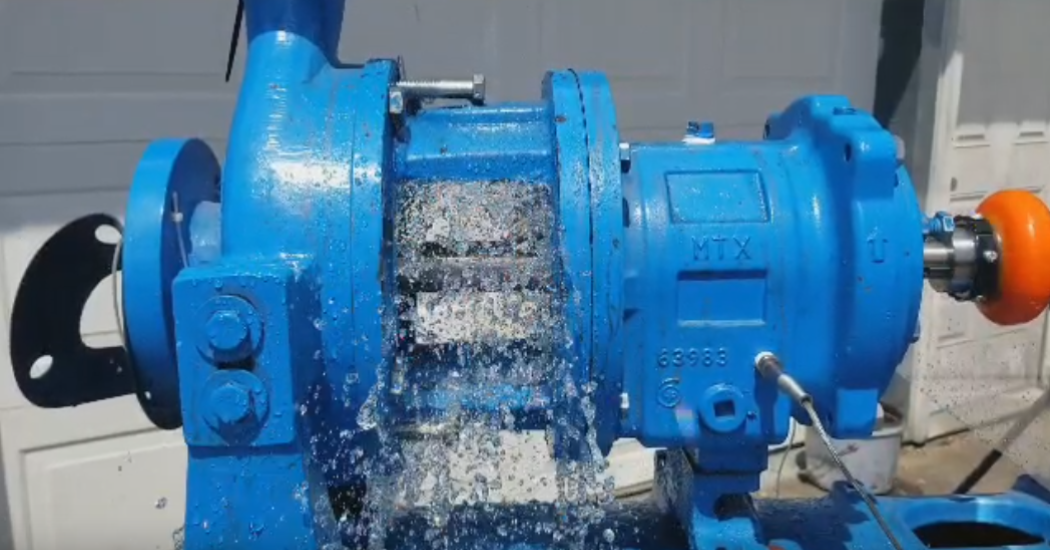
In industrial rotating gear like centrifugal pumps, mixers, compressors, and turbines, getting the seals right is everything—it keeps things running tight, cuts down on those pesky fugitive emissions, and stretches out the time between breakdowns (that’s your MTBF). Seals have to deal with all sorts of tough conditions that can break down their barriers, causing leaks in process fluids, messing up lubricants, and wearing out parts faster than you’d like. Here’s a rundown of the main headaches in sealing, plus some solid, tech-driven fixes, pulling from standards like API 610, API 682, and ISO 1940 to guide the way.
CHALLENGES
Elevated Temperatures and Pressures: A lot of these processes crank up the heat past 300°C (572°F) and push pressures to 500 psi (34.5 bar) or more, which throws off thermal expansion between seal parts, makes elastomers brittle, and causes polymers to creep and deform. That leads to losing the seal’s grip, warped faces, and early breakdowns like cracks or extrusion—stuff that’s all tied to fatigue limits in ASME Section VIII.
Corrosive Media Exposure: Harsh fluids like sulfuric or hydrochloric acids, alkalis, or hydrocarbons eat away at seal faces and backup elements, showing up as pits, swelling, or straight-up dissolving. When materials don’t match up—think NACE MR0175/ISO 15156 for corrosion specs—it opens up leak paths, potentially blowing past EPA VOC limits and speeding up overall equipment wear.
Abrasive Particulates: In fields like mining, pulp and paper, or slurry ops, those floating solids (say, silica or alumina with Mohs hardness over 7) grind away at seal surfaces, causing scores, grooves, and rougher finishes (Ra above 0.2 μm). It ramps up leaks and shortens seal life, especially in setups with high solids where particles hit at speeds over 10 m/s, following ISO 13320 for particle sizing.
High Rotational Velocities: When shafts spin faster than 3,600 RPM, you get intense friction heat and fluid shear that max out pressure-velocity (PV) ratings—around 100,000 psi·ft/min or 3.3 MPa·m/s for elastomers. This can spark thermal runaway, evaporate lubricants, and lead to dry runs, ending in nasty galling or blistering on seal faces, as modeled with FEM heat transfer from ANSI/HI 9.6.6.
Stringent Environmental and Regulatory Compliance: Rules from the EPA (40 CFR Part 60) and EU REACH are getting tighter, demanding designs that hit near-zero leaks to control VOCs and HAPs. Old-school seals often can’t hold under 500 ppm in API 682 tests, risking fines, shutdowns, and bigger environmental headaches.
SOLUTIONS
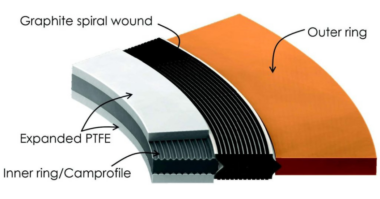
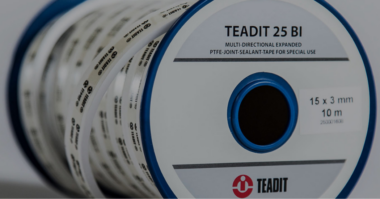
High-Performance Sealing Materials: Go for top-tier composites like perfluoroelastomers (FFKM, similar to Kalrez®), carbon-graphite or silicon carbide (SiC) faces, and PTFE loaded with fillers for O-rings and gaskets. They handle heat up to 400°C, shrug off chemicals across pH 0-14, and keep friction low (μ under 0.1), meeting ASTM D2000 specs and boosting seal MTBF by 3-5 times in rough spots.
Innovative Seal Configurations: Switch to cartridge-style mechanical seals (single, dual, or tandem) or non-contact labyrinth types with twisty paths (gaps under 0.005 in or 0.127 mm). These come with self-aligning tech to handle shaft wobble up to 0.015 in (0.38 mm) TIR, as per API 682 Types A/B/C, beating out braided packing by cutting wear and dropping emissions below 100 ppm through even face pressure.
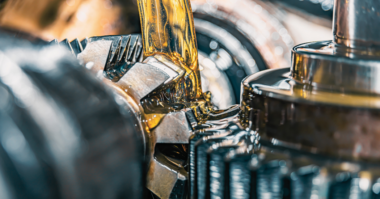
Integrated Seal Support Systems: Bring in API 682 flush setups—like Plan 11 for recirc, Plan 32 for fresh external fluid, or Plan 53A for pressurized barriers—to keep a thin lube film (1-3 μm) steady on the faces. It cools things by 20-50°C, washes out grit, and avoids dry outs, with flows fine-tuned via CFD for 0.3-1.0 m/s speeds.
Emission Containment and Control Mechanisms: Add backup features like quench glands, drains, or gas-buffered dual seals using API Plan 72/76 for inert purging. They snag and reroute leaks to flares or recyclers, hitting under 10 ppm per TA-Luft or ISO 15848 tests, complete with safety locks to stay compliant.
Proactive Maintenance Regimens: Roll out reliability-centered maintenance (RCM), timing checks based on runtime (say, every 5,000-10,000 hours) or FMEA breakdowns. That means verifying gland bolt torque (20-50 Nm per OEM), checking face flatness (less than 2 helium light bands), and swapping parts on time—dropping surprise downtime from 10-20% to under 2% a year.
Advanced Condition-Based Monitoring: Use PdM gear like live vibration checks (ISO 10816-3, aiming for <4.5 mm/s RMS at 1x RPM), IR thermography for hot spots (over 10°C off baseline), and acoustic sensors to measure leaks. Hook it into IIoT for tracking trends on face temps and barrier pressures, spotting issues early and tweaking MTBF with ML prognostics.
Putting these fixes to work lets folks in industry tackle seal weak points head-on, ramping up reliability, nailing regs, and making assets last longer. You can see real gains like 85% less downtime, over 50% off maintenance bills, and better OEE that fits right into Industry 4.0. Always loop in seal experts and stick to OEM advice for the best fit.