The landscape of water utilities has been notably impacted by digital transformation, becoming an essential tool for modernizing operations and management. PUB, Singapore’s National Water Agency manages a potable water network of 5,500 km of mains that deliver water to over 1.5 million customers. Regular asset renewal and maintenance is one of PUB’s key focus areas to strengthen network resilience by anticipating and responding to leaks and damage with minimal disruption to their operations.
The Agency has recently deployed a new generation Transmission Pipe Leak Monitoring (TPLM) system across 200 kilometres of large transmission mains. These large mains transport huge volumes of water and are often under higher pressure to meet demand over long distances consequently, when a leak does occur, the volume of water loss is often greater than on smaller pipes.
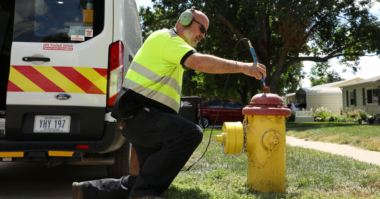
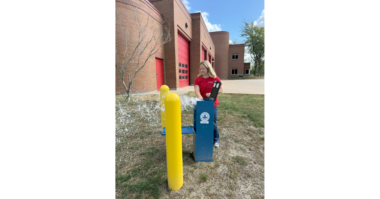
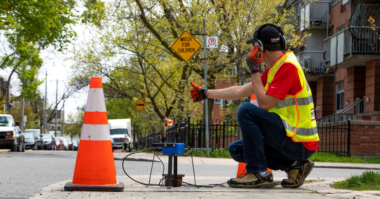
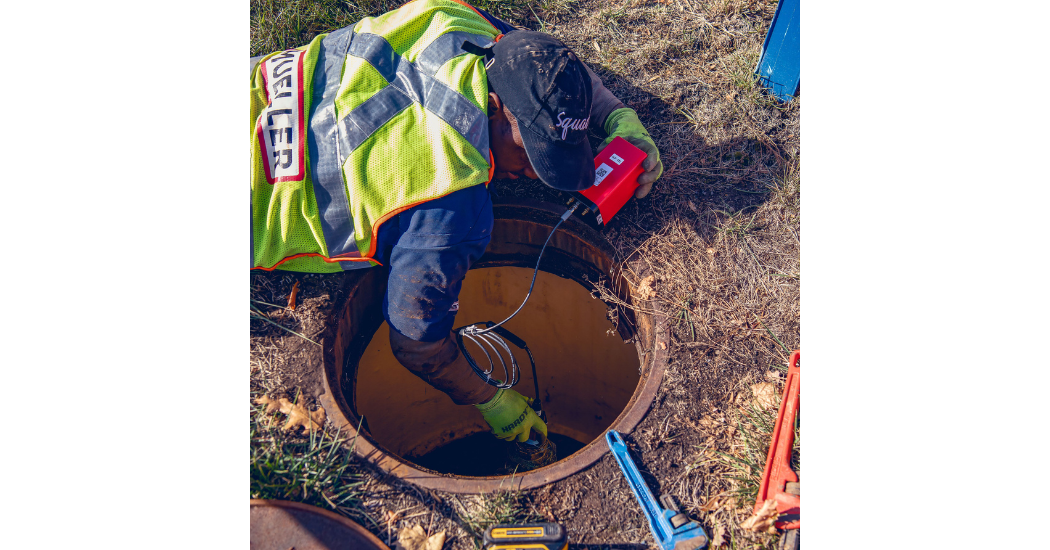
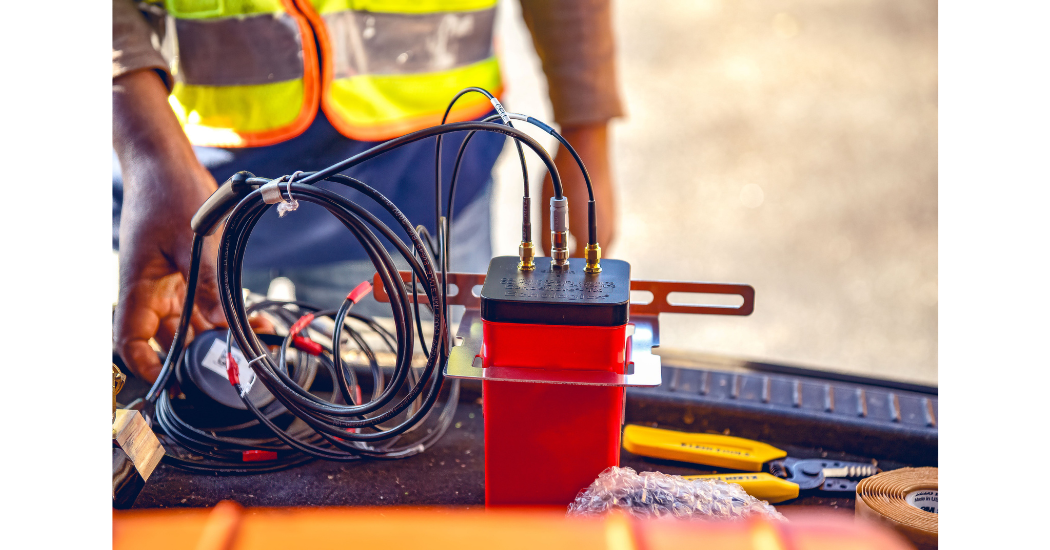
The EchoShore®-TX system by Echologics® consists of sensors (nodes) that use sensitive acoustic hydrophone sensors to perform acoustic correlation and standalone logging methods to monitor the pipelines. Each node can collect acoustic information and send the acoustic information to a cloud server over the cellular network on a regular schedule. The node system installed at each location consists of an electronic module, hydrophone and combo antenna for cell and GPS connectivity.
Advanced physics-driven algorithms with data analysts
The new system has evolved greatly by improving workflow from data collection, prioritizing leak reporting, providing reliable alerting and offering easy and rapid scalability for operational efficiency. With advanced physics-driven algorithms and cutting-edge data processing tools the quality of insights continues to improve. Moreover, data analyst, Marcin Kloc, states that there are greater and more exciting gains to be had through new physical insights that inform next-gen algorithm development
“Anyone can deploy an AI model and feed it a bunch of data, but it takes real scientific skill to figure out how to use physics and math to transform the data to mine gold out of chaff,” said Kloc.
Using physics integrated algorithms is enhancing operational efficiency and leak detection capabilities, yielding three main outcomes:
- More efficient human analysis
- More consistent scaling of sites and deployments
- Improvements in leak detection abilities by minimizing noise that requires analyst review
In the quest for improving operational efficiency and mitigating water loss, the new generation TPLM has also improved “speed to notification”. The previous generation required four consecutive noise recordings to trigger a leak report, usually translating to a 2-3 day window before notifications were sent. However, the new system aims to accelerate this process by employing a more robust data collection strategy encompassing a higher frequency of acoustic recordings and spectral data analysis. This multi-dimensional data collection and analysis approach has shortened the time to notification to 1-2 days. This advanced data analytics enables faster response and reduces the potential for escalated damage.
In recent years, Echologics added single-channel detection, which enabled the finding of leaks that do not propagate to the far sensor and thus cannot be correlated. A recent example was an air-valve leak that was happening at the sensor location and not propagating to the next sensor. Hence, there was no correlation data. However, the single-sensor algorithms detected the noise, and on-site investigations found a leak of less than 5 litres/minute.
 Standardizing analysis
In light of evolving technology in leak monitoring systems, there is a requirement for a standardized set of metrics to evaluate system performance across utilities. These metrics focus on two key areas: the system’s capability to detect leaks and the system’s skill in differentiating leak noises from other operational noises within a water network. These evaluation categories can be broken down into four outcomes: sounds not detected, sounds detected and classified as leaks, sounds detected and classified as non-leaks, and missed leaks, collectively constituting the complete range of possible outcomes for any leak monitoring system.
PUB uses two key performance metrics to track and report:
- Leak classification performance
- Leak sensitivity
Leak classification performance measures the number of reported events that are actual leaks. It shows how well a system can distinguish between normal water network noises and actual leaks, reducing the time and resources spent investigating unnecessary alerts. Leak sensitivity evaluates the system’s effectiveness in identifying the total leaks within a specified area.
Introducing these standardized metrics offers a framework for assessing the efficiency and effectiveness of different leak monitoring systems, ultimately aiming to minimize the agency’s operational costs and improve customer service. In addition, they provide actionable insights to make data-driven decisions in leak management.
As large diameter mains are costly to replace, monitoring leakage can help water operators detect and repair leaks early, potentially deferring the need to replace the pipeline. With these latest advancements in leak detection technology, it should be easy for any sized utility to operate its own leak detection program to reduce NRW and costly emergency repairs.