In fluid handling, pump selection is critical to system performance, especially when dealing with challenging solids-laden media. One category of pump designed specifically for this purpose is the non-clog submersible pump—a workhorse in applications where debris, solids, or fibrous materials would otherwise cause standard pumps to fail. This blog explores the key features of non-clog pumps, their typical applications, and some material options available for varying industrial needs.
What Are Non-Clog Pumps?
Non-clog pumps are engineered to handle liquids containing solids without becoming obstructed. Unlike standard submersible pumps, which can become fouled by debris, non-clog pumps use impellers and volute designs that allow larger solids to pass through the pump unobstructed. This capability makes them a go-to solution for industries requiring reliability in dirty or debris-heavy environments.
Typical Applications
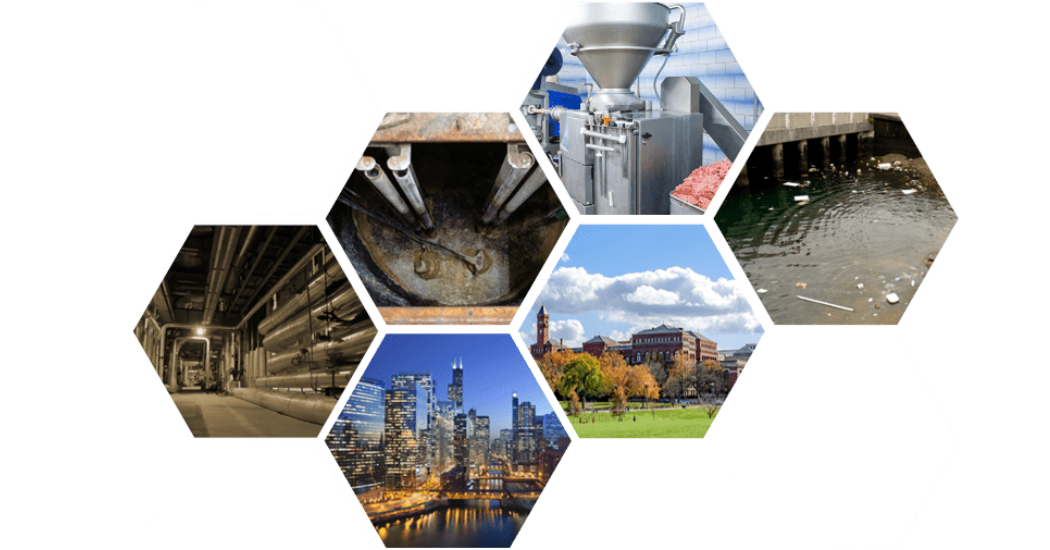
Non-clog pumps are most commonly used in sewage and wastewater pump systems, both municipal and industrial. Key application areas include:
- Municipal Sewage Systems: Handling residential and storm water that often includes wipes, plastic, and other debris.
- Commercial Sewage: Facilities like hotels, office buildings, and schools generate wastewater that requires robust solids-handling capacity.
- Industrial Processes: In manufacturing or food processing plants, floor washdown and process waste can carry solids, fats, and fibrous materials that are best handled with non-clog designs.
 Design Features
At the core of the non-clog pump’s effectiveness is its impeller design. These pumps typically utilize single-vane or two-vane impellers, which are either semi-open or closed:
- Single Vane Impellers: Better suited for handling stringy or fibrous solids and reducing clogging risks.
- Two Vane Impellers: Offer better hydraulic balance and slightly improved efficiency.
- Semi-Open Impellers: Easier to manufacture and inspect but may be less efficient.
- Closed Impellers: Provide higher efficiency and better wear characteristics but are more complex to manufacture and maintain.
The impeller design is matched with a volute casing that ensures smooth fluid flow, helping to maintain efficiency even in tough conditions.
Material Options for Durability
Non-clog pumps are often available in different material configurations to suit specific environments:
- Cast Iron Construction –
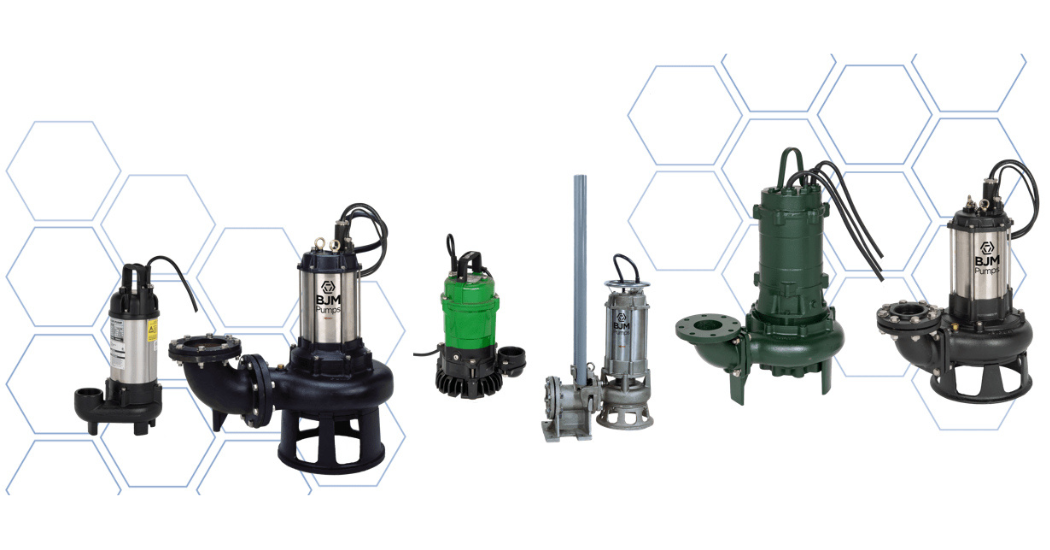
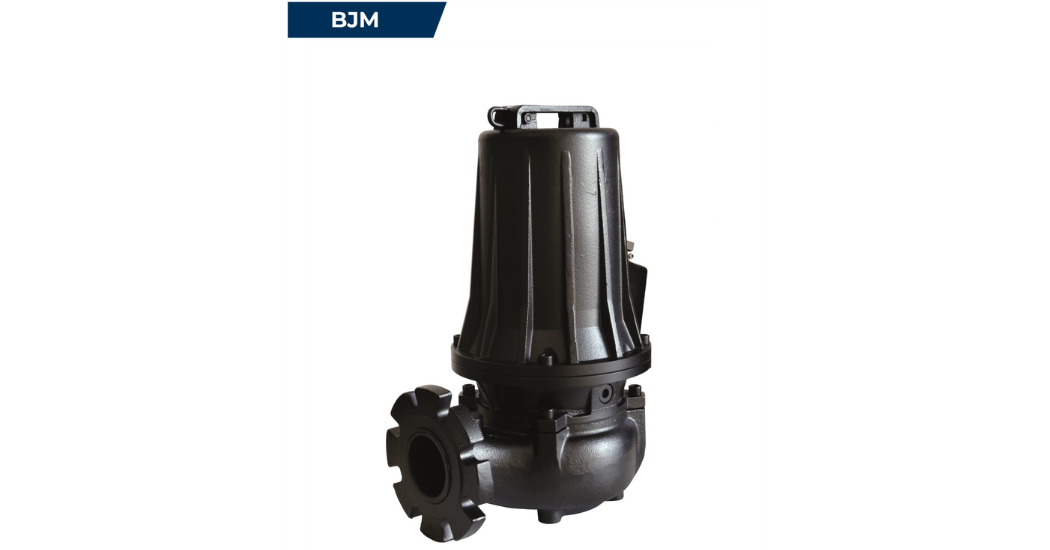
The A Series from BJM Pumps® is designed with rugged cast iron construction, making it an excellent choice for general-purpose sewage and wastewater applications. These wastewater pumps are built to handle challenging environments where solids, sludge, and fibrous materials are present, but where corrosive chemicals or aggressive media are not a primary concern. The A Series features high-torque motors, wear-resistant components, and impellers designed for long service life in continuous-duty operation. This makes them ideal for municipal lift stations, commercial building sump pits, and industrial washdown pits where dependability and clog resistance are paramount.
The A Series is a Submersible Electric Pump featuring an Open Channel Impeller. This high-quality submersible pump is used for pumping & draining clear liquids & sewage. A Series open channel impeller pumps are ideal for wastewater treatment plants, industrial plants, farms and sewers.
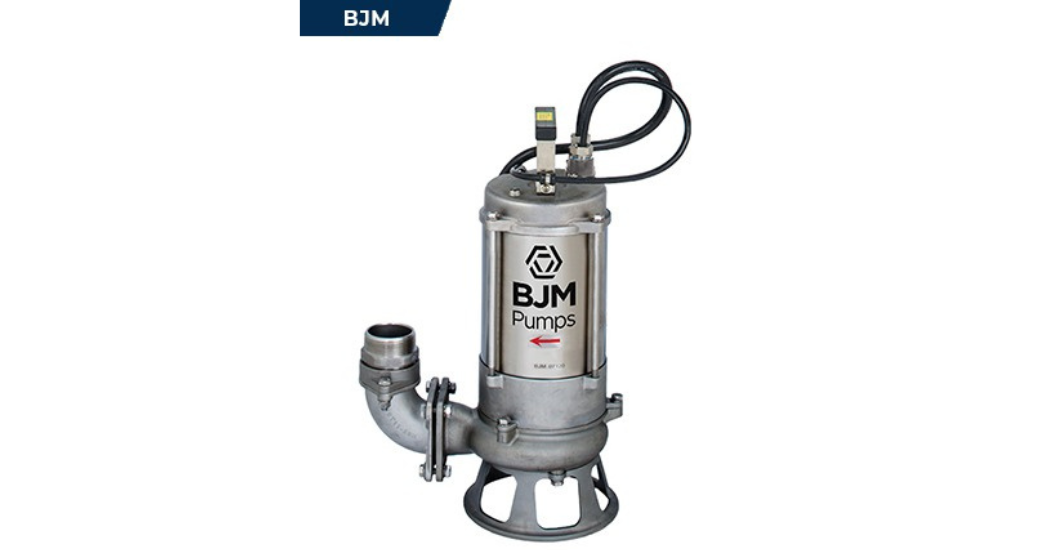
- 316 Stainless Steel Construction – For environments where corrosion resistance is critical, the SX Series from BJM Pumps® is engineered using 316 stainless steel components. This material offers excellent resistance to chlorides, acids, caustics, and cleaning agents, making the SX Series well-suited for food processing facilities, chemical plants, pharmaceutical wastewater, and other aggressive industrial processes. In addition to handling solids, these submersible pumps are capable of operating in conditions where pH extremes and corrosive slurries would quickly degrade standard cast iron pumps.
 Non-clog pumps offer a robust, reliable solution for engineers designing or maintaining systems that deal with solids-laden fluids. With appropriate selection based on impeller type, efficiency needs, and material compatibility, non-clog pumps can significantly reduce downtime, extend service life, and improve overall system performance.
Whether handling municipal sewage or industrial washdown waste, Industrial Flow Solutions’ non-clog pumps are engineered to keep systems flowing without interruption. For more information, contact IFS today: sales@flowsolutions.com