PROBLEM:
Mount Juliet, TN, a part of the Nashville Metro area, struggled with persistent pump clogs at one of its duplex lift stations, occurring on a weekly basis. These frequent blockages required staff to manually reset the pumps, a time-consuming and labor-intensive process that posed significant safety risks. Employees were exposed to hazardous conditions, including raw sewage and sharp objects. In addition to the safety concerns, the municipality was unaware that the station was consuming excessive electricity due to the inefficient operation of the pumps. The pumps would often operate under suboptimal conditions, consuming more power than necessary before shutting down. This resulted in unnecessary energy costs and increased wear on the equipment, leading to more frequent breakdowns & maintenance downtime. As a result, the city needed a solution to address operational inefficiencies and safety risks, ensuring reliable performance without compromising staff safety or adding to the municipality’s energy expenses.
SOLUTION:
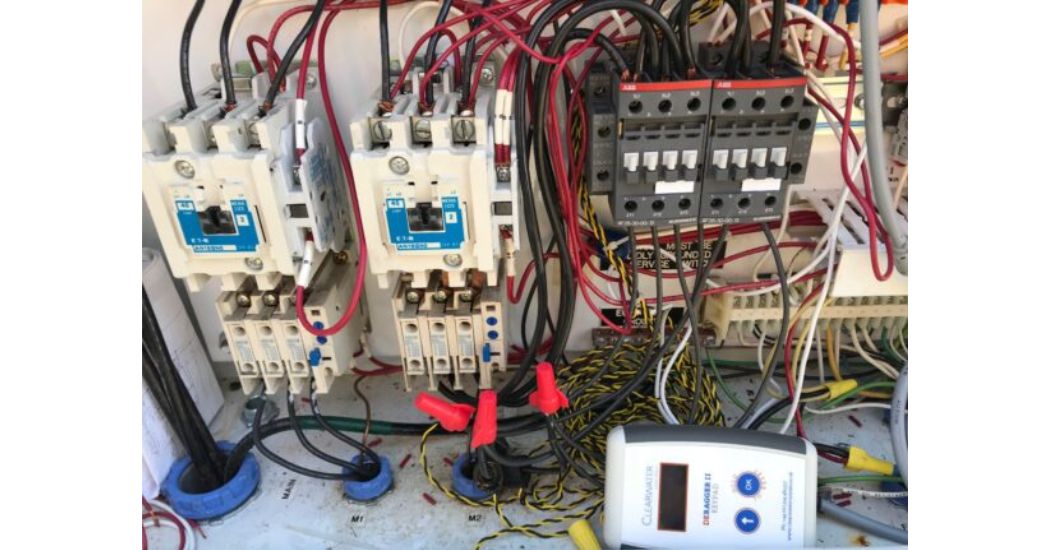
To address the frequent ragging issues, the municipality installed a DERAGGER® on the affected pumps, delivering immediate and significant results. Within a short period, ragging was eliminated entirely, achieving a 100% blockage reduction. Before the installation, the station experienced clogging issues weekly, but since the DERAGGER® was installed, the station has not encountered a single ragging incident. This significant improvement ensured the pumps operated smoothly and dramatically reduced the need for manual intervention, saving time and resources.
In addition to eliminating ragging, the municipality observed a marked decrease in the current draw of the pumps. The current draw dropped from around 18 amps to approximately 13 amps, which substantially reduced energy usage. This decrease in power consumption resulted in a 21% reduction in overall energy use, leading to lower electricity costs and providing a long-term cost-saving benefit for the municipality. These improvements enhanced the station’s operational efficiency and contributed to a more sustainable and cost-effective solution.