The crucial role of fish-friendly pumps
Fish migration plays a crucial role in maintaining the ecological balance of aquatic ecosystems. The construction and operation of pump stations, power stations, dams, dewatering systems, and irrigation channels can pose significant challenges to fish migration. Traditional pumps and water infrastructure can impede the natural movement of fish, leading to adverse effects on fish populations.
In response to these challenges, the development and implementation of fish-friendly pumps have become essential to mitigate the impact on fish migration. Government authorities worldwide emphasizes the importance of turning all water barriers fish-friendly within the next several years, resulting in laws like The European Water Framework Directive (WFD).
Pioneering fish-friendly pumps with innovative technology
It’s hard to imagine even a single fish passing unharmed through rotating machinery, but the requirement to pump fish in fish processing and fish farming applications has been around for decades. The necessity to protect fish being decimated by obstructions such as pumping stations in our rivers only came to pass at the turn of the century, but advances in technology have resulted in “fish friendly” pumps ensuring the survival of both fish and eels in our waterways.
As manufacturers of the first ever fish pump, patented over 60 years ago, Hidrostal pumps now operate in thousands of pumping stations worldwide, transporting not only water but all aquatic animals in a safe manner.
The Hidrostal screw centrifugal impeller with its large ball passage operating at a low rotating speed ensure that fish pass through the pump undamaged. Other pump design can cause stress or injury to fish – especially those with a higher number of vanes.
The advantages to other systems (e.g. Archimedes screw pumps) are high efficiency, flowrate and small installation footprint. Also a twin blade variant was developed, based on the original Hidrostal impeller. It is used for higher flows, providing adaptable, reliable and optimal performance in more demanding flood applications.
Applications
- Dewatering
- Drainage
- Flood control
- Fish bypasses
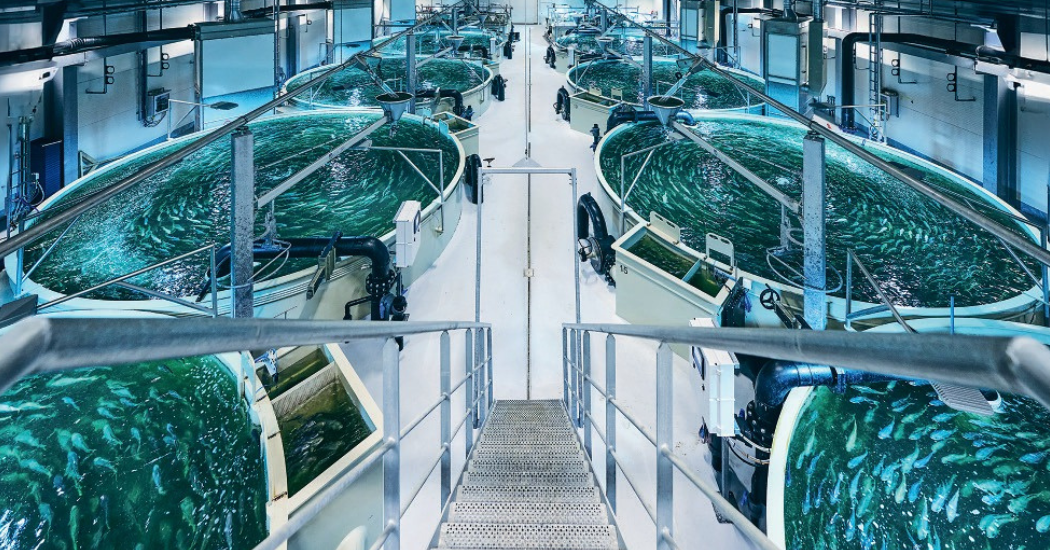
- Aquaculture
- Canal & Well Renovation
 Fish migration facilitated by pump stations and fishlifts
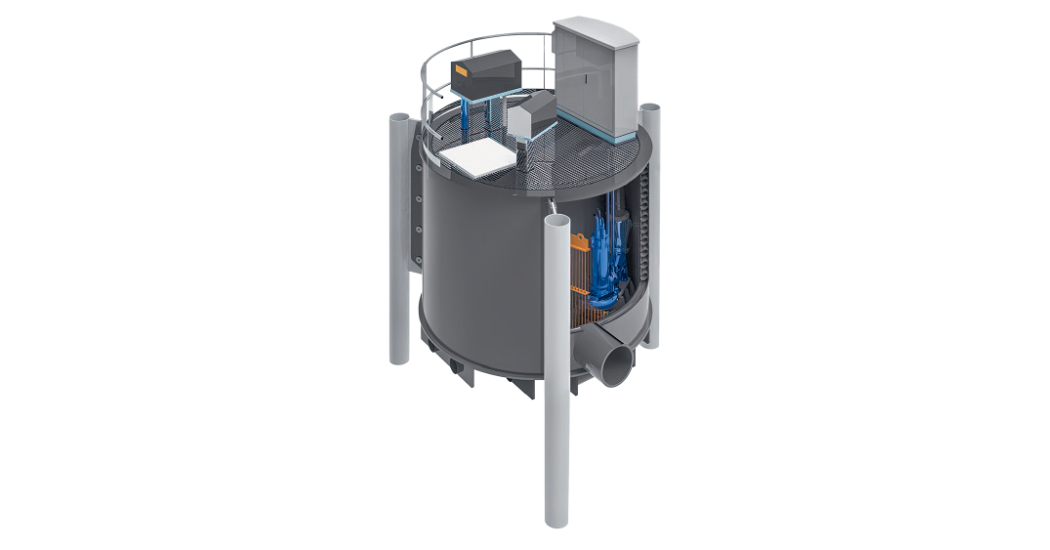
Some fish want to migrate from the sea to inland waters but are blocked by civil constructions. For this situation, pump stations designed for fish migrations, equipped with pipes and valves, can function as a lock system to aid the fish in continuing their journey. Normally, fish swim against the flow, and the ideal lure flow can be adjusted by regulating the pump speed. Special Fishlift constructions, which monitor the fish, are fed by Hidrostal pumps.
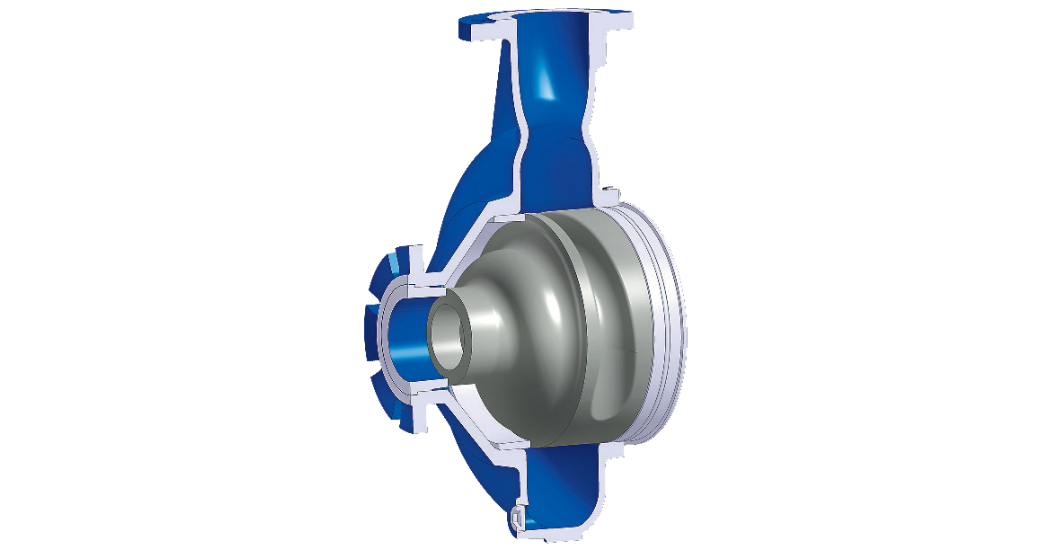 Hidrostal impeller, uniquely designed for fish-friendly operation
- Large, smooth open channel with no abrupt change of direction allows the fish to move through the pump from suction to discharge without damage
- Large ball passage and open channel design allows passage of large fish and also provides continuous non-clog operation to minimize downtime
- Enclosed design impeller prevents fish from contacting the suction cover, preventing damage to both small and large fish
- Low rotating speed ensures that fish pass through the pump safely
- Twin bladed variant for higher capacity flows is also available
Global solutions for fish-friendly pumping
Hidrostal and its daughter company Bedford Pumps UK brings extensive expertise and experience to the realm of fish friendly pump solutions. Our commitment to fish-friendly pumping is ingrained in our DNA, offering customers worldwide a diverse product range and various impeller options.
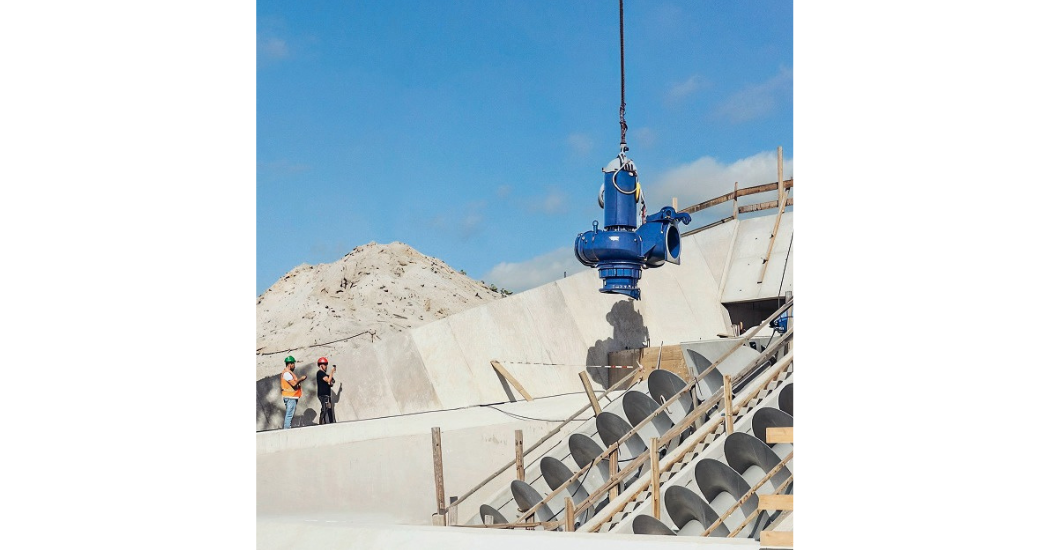 Hidrostal M700 pumping 4000 m3/h in a fish migration system
Climate-induced heavy rainfall in northern Friesland is causing flooding, jeopardizing the eel and three spiny minnow fish species. Dams and dikes block their natural migration, leading to a 95 % decline in the Netherlandsʼ eel population over 50 years. An urgent need for reliable, fish-friendly solutions was required to preserve and protect the endangered fish population.
A new pumping station, equipped with two Archimedean Screw Pumps and a Hidrostal Screw Centrifugal Pump, efficiently drains the area at 4,000 liters per second. The Hidrostal pump ensures a smooth transfer of fresh water to a 1.5 km long canal, facilitating fish migration. Controlled by a valve system, the Hidrostal pump maintains a steady flow, operating around 4,000 hours annually.
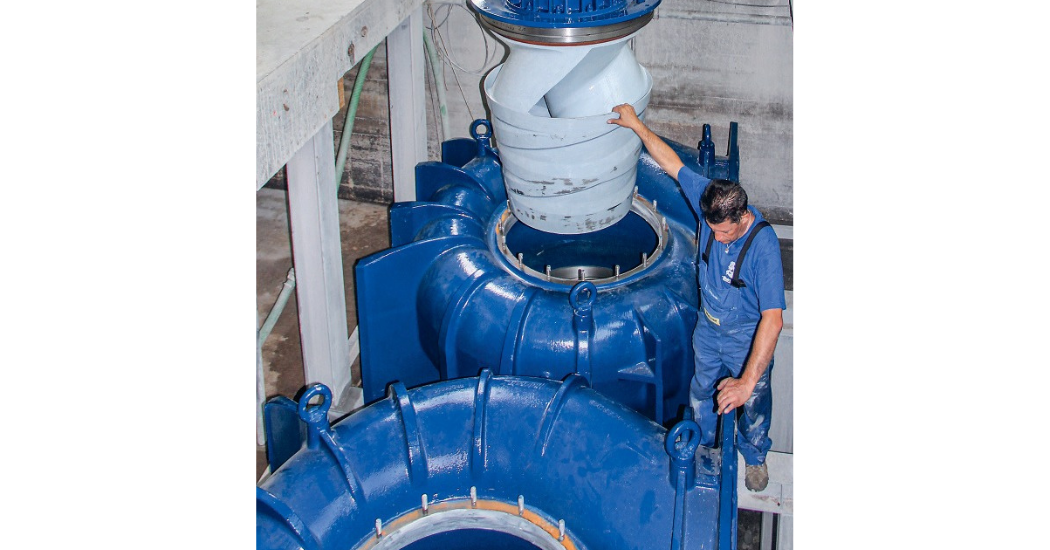 Hidrostal pumps safeguard fish in Aarmatten channel’s water management system
The Aarmatten channel in Switzerland takes the drainage water of the Grenchen Airfield, the surrounding agricultural areas, as well as the overflow water of the wastewater plant from the city of Grenchen. Normally, the channel flows freely into the Aare River. At a certain water level of the Aare, the water can no longer flow freely out of the channel and must be pumped to the river.
To protect small fish during this process, two Hidrostal Screw Centrifugal Immersible Pumps with closed impellers, renowned for their gentle handling abilities, are utilized.
Hidrostal – the pioneer in fish friendly impellers to protect both land and life
When it comes to fish-friendly pumping Hidrostal is the number one choice, offering unparalleled advantages that elevate the efficiency and reliability of your production process. Here’s why Hidrostal is the right product for your fish friendly application:
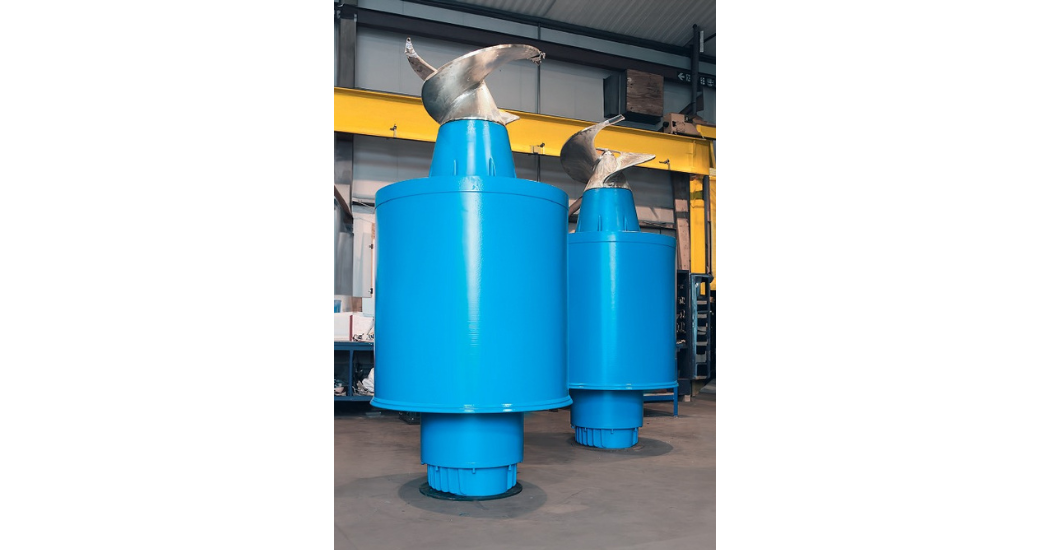 Proven performance and gentle handling
- A comparably low impeller peripheral speed reduces the risk of collision and also alleviates pump shear.
- The physical shape of the impeller allows fish, eels and other solids to pass through the pump.
- An extra-large clearance gap between the impeller and the diffuser-vane avoids the close proximity of rotating parts with stationary components that are only found in fish friendly pumps.
- Best in class hydraulic-efficiency up to 86 % leading to smooth flowlines – avoiding adverse pressure gradients and turbulence which can affect fish and eels.
- The pump’s shaped and rounded internal contouring means that any debris ‘snagging’ is also kept to a minimum.