Industrial companies are rethinking how they make equipment investment decisions. What used to be simple choices based on upfront costs and performance specs now involves much bigger picture thinking about sustainability, regulations, and staying competitive. This shift isn’t just about being environmentally responsible—it’s becoming essential for business survival.
Building Sustainability Into Strategic Planning
Smart companies are learning that equipment decisions can’t happen in a vacuum anymore. Motors, pumps, and other critical systems need to fit into long-term environmental plans, not just immediate operational needs.
This change makes sense when you consider that equipment choices now serve multiple purposes at once. Beyond saving energy right away, these investments help companies meet the ESG reporting standards that investors and customers are paying more attention to. Organizations that get ahead of regulatory changes—rather than scrambling to catch up later—are finding themselves in much stronger positions.
Equipment decisions now include factors that weren’t even on the radar a decade ago. Energy use over the equipment’s lifetime, environmental impact, and what happens when it eventually needs replacement are all part of the conversation now, completely changing how industrial operations approach major purchases.
A Smarter Way to Calculate Returns
Companies are getting much better at looking beyond sticker prices when evaluating equipment investments. Instead of just comparing what different options cost upfront, they’re calculating total ownership costs that include energy consumption, maintenance needs, and how long the equipment will actually last.
This broader view reveals some compelling opportunities that traditional purchasing approaches miss entirely. Energy-efficient motor systems, for instance, typically deliver payback periods of 2-4 years while providing decades of operational savings. Similarly, high-efficiency pump systems offer substantial lifecycle value that becomes increasingly apparent as energy costs continue to rise.
Early adopters are discovering real competitive advantages too. Companies that invest in efficiency improvements before they’re required by law often find themselves ahead of the game when environmental performance becomes a deciding factor in winning contracts or attracting customers.
What’s Happening Across Industries
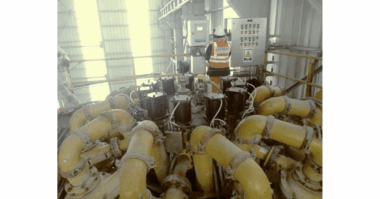
Similar patterns are emerging across different industrial sectors as companies recognize the business value of equipment-focused sustainability efforts. Manufacturing facilities are conducting comprehensive energy audits to find the biggest opportunities for improvement, and they’re often discovering that motor and pump systems offer the most bang for their buck.
Many organizations have started implementing phased replacement programs that systematically upgrade aging equipment over time. This approach spreads out capital costs while making steady progress toward sustainability goals. The food processing industry, in particular, has embraced this methodology, recognizing that equipment efficiency directly impacts both operational costs and environmental compliance.
Water treatment operations are demonstrating another compelling trend through increased investment in advanced pump technologies that support circular water management systems. These facilities understand that smart equipment choices enable broader sustainability strategies while improving reliability and reducing resource consumption.
Technology That Actually Makes a Difference
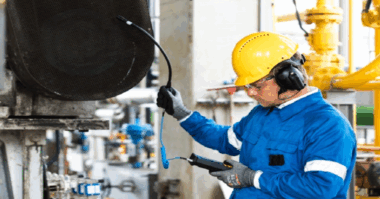
Modern motor and equipment technologies do more than just run more efficiently—they enable completely new approaches to sustainability. Variable frequency drives, smart monitoring systems, and predictive maintenance capabilities are changing how organizations manage equipment while supporting environmental goals.
These advances allow companies to optimize performance in real-time, cutting energy use while making equipment last longer. Digital monitoring and analytics create opportunities for continuous improvement that compound sustainability benefits over time, turning good initial investments into even better long-term outcomes.
Organizations are also using equipment choices to support circular economy principles in their operations. Modern motor systems with longer service lives, refurbishment options, and end-of-life recycling programs align with corporate resource stewardship commitments while delivering real business benefits.
Getting Ready for What’s Coming
Forward-thinking equipment investments increasingly reflect what companies expect future regulations and market conditions to look like. Organizations know that today’s equipment choices will determine how well they can adapt to tomorrow’s environmental requirements and competitive pressures.
This long-term thinking influences purchasing decisions across multiple equipment categories, with particular attention to technologies that offer upgrade paths and work well with emerging efficiency standards. Companies are finding that strategic equipment investments create operational flexibility that proves invaluable as sustainability requirements continue evolving.
The Bottom Line
The combination of environmental responsibility, regulatory compliance, and business performance has fundamentally changed the equipment investment landscape. Organizations that take an integrated approach to sustainability and equipment strategy aren’t just meeting current challenges—they’re positioning themselves to thrive as environmental considerations become increasingly central to industrial success.
As equipment technologies keep advancing and sustainability requirements become more demanding, thoughtful equipment investment decisions will only become more valuable. Companies that understand this opportunity today will find themselves well-positioned for sustained success in tomorrow’s business environment.