In the world of municipal, commercial, and residential water systems, the stakes are high. Engineers must not only ensure reliable water delivery but also meet rigorous health and safety standards. As infrastructure ages and regulations evolve, specifying the right pumping system becomes both a technical and compliance-driven challenge.
Why Standards Matter More Than Ever
Drinking water systems are governed by strict certification protocols, most notably NSF/ANSI 61. These standards ensure that every component in contact with potable water is safe for human consumption. But certification isn’t just about the product—it extends to the manufacturing facility, testing protocols, and ongoing compliance.
“NSF/ANSI 61 is more than a label—it’s a commitment,” says Mario DeSimone, Product Manager at Franklin Electric. “It means the product has been vetted for material safety, and the facility producing it has passed rigorous audits. Engineers should look for this certification as a baseline, not a bonus.”
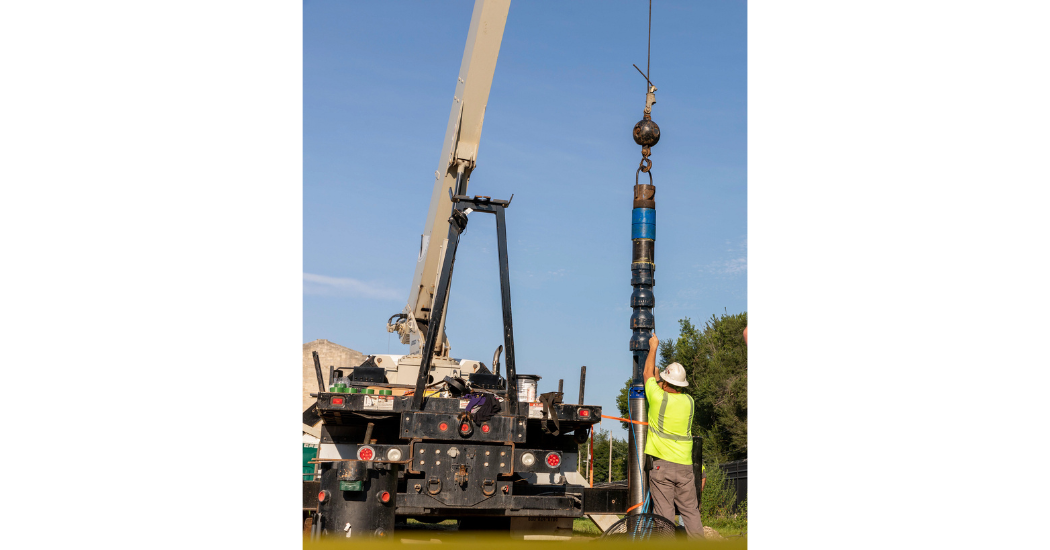
With drinking water systems, health and safety always come first. Yet, engineers must also make sure they’re installing a system that delivers water reliably and at peak performance.
Designing for Performance and Compliance
When a pump OEM develops an NSF-approved product, there are a large number of design factors that they account for to ensure that the system is safe for drinking water. These factors include:
- Wetted Materials: All surfaces in contact with water must meet NSF/ANSI 61 criteria.
- Seals and Lubricants: These often-overlooked components can compromise compliance if not properly vetted.
- Hydraulic Design: Flow rate, pressure, and head curves must align with both performance goals and safety standards.
- Monitoring and Instrumentation: Real-time data can help ensure ongoing compliance and system reliability.
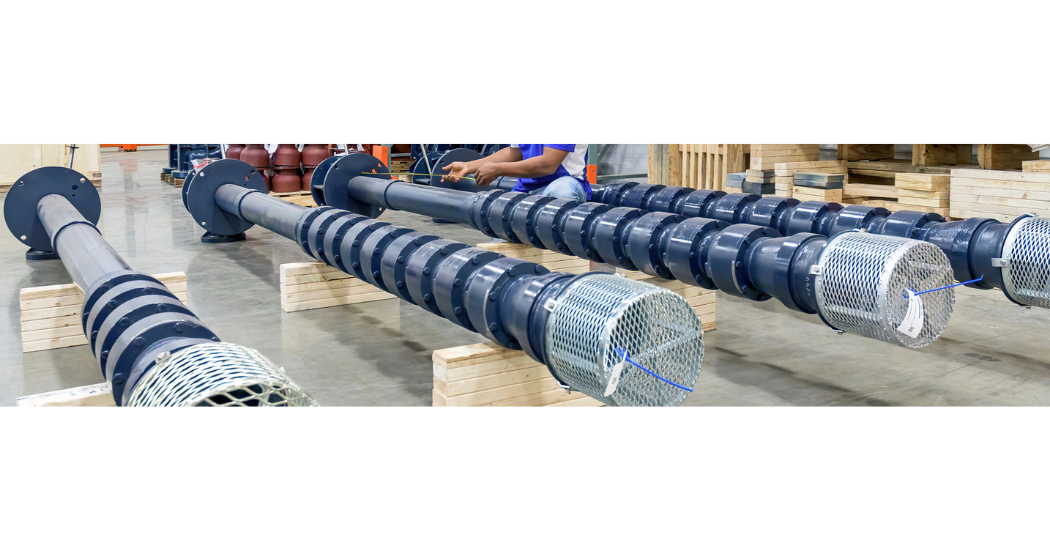
Every part of a pumping system that comes in contact with water and is intended for consumption will need to be evaluated against drinking water standards.
Beyond the Pump: System Integration and Maintenance
A well-designed pumping system doesn’t operate in isolation. It must integrate seamlessly with existing infrastructure, allow for easy maintenance, and minimize energy consumption. Engineers are increasingly tasked with designing systems that are not only compliant but also cost-effective and sustainable.
“We’re seeing a shift toward systems that deliver long-term value,” adds Mario DeSimone. “Low energy use, minimal maintenance, and long lifespans are no longer optional—they’re expected.”
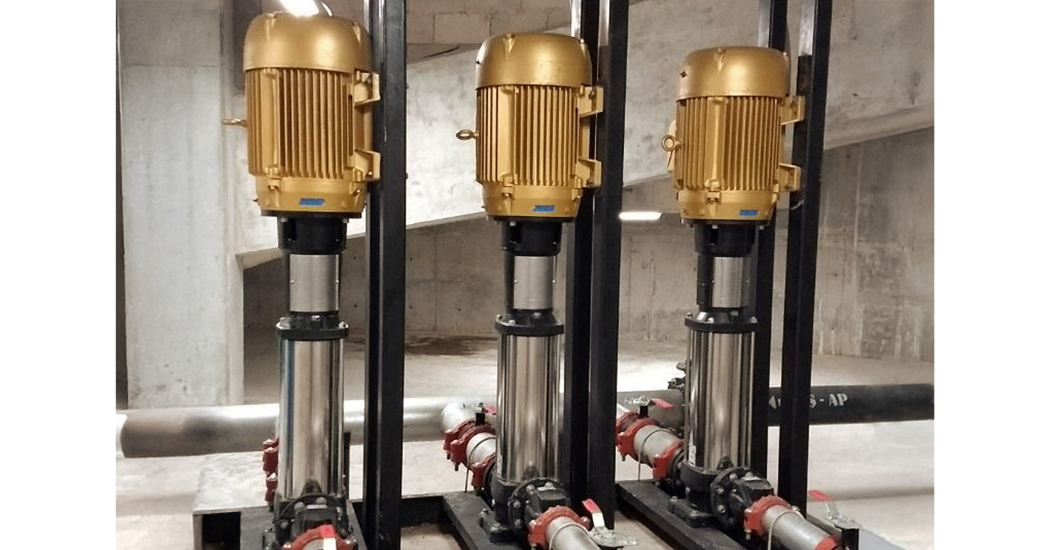
VR Series pressure boosting pumps installed in a drinking water system—engineered for performance, reliability, and NSF/ANSI 61 compliance.
Navigating the Certification Landscape
Multiple independent bodies certify products for drinking water use. Engineers should verify:
- Whether the product is certified by a recognized body (e.g., NSF International or Underwriters Laboratories)
- If the manufacturing facility is also certified
- That product documentation is available and up to date
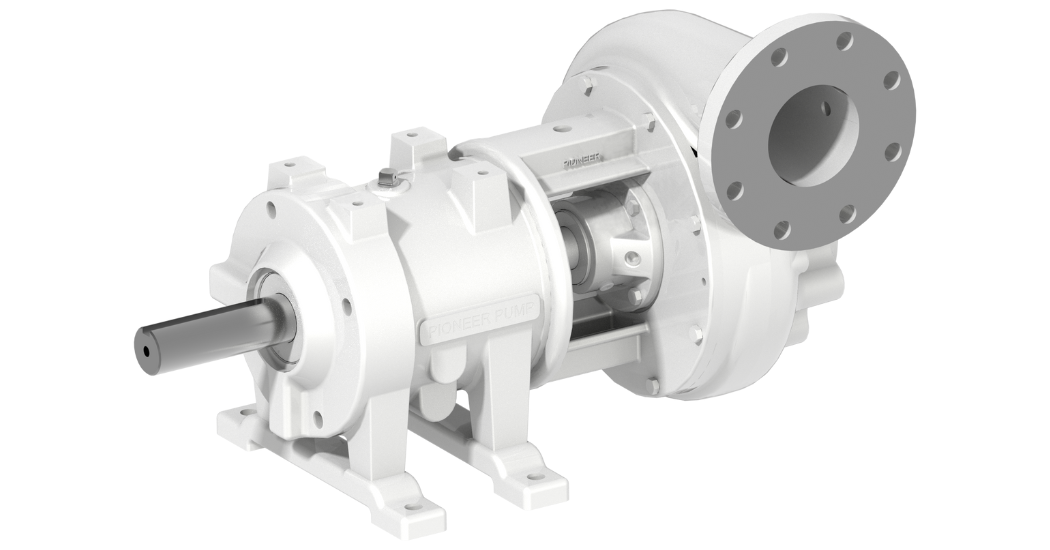
Pioneer Pumps new centrifugal pump—engineered to meet NSF/ANSI 61 standards for safe, reliable drinking water applications.
Franklin Electric’s NSF/ANSI 61-Compliant Solutions
Franklin Electric offers a wide range of pumping systems and components specifically engineered to meet NSF/ANSI 61 standards. From submersible pumps and booster systems to control panels and accessories, each product is designed with safety, reliability, and compliance in mind.
Whether you’re working on a new installation or upgrading an existing system, Franklin Electric’s certified solutions help ensure your project meets regulatory requirements without compromising performance.
Want expert guidance on NSF/ANSI 61-compliant pumping solutions?
Want to book time with Mario DeSimone, Product Manager for Large Surface Pumping Systems at Franklin Electric, to discuss your application and explore tailored solutions?
About the Authors
Mario DiSimone is the Product Manager for Large Surface Pumping System at Franklin Electric’s Pioneer Pump brand, and he can be reached at mario.desimone@fele.com.
Jerry Gradwohl is the Senior Applications Engineer for Industrial Projects at Franklin Electric’s Pioneer Pump brand, and he can be reached at jerry.gradwohl@pioneerpump.com